
Hidden in plain sight – the locals, makers and restaurateurs who keep one of London's most quietly brilliant neighbourhoods ticking.
For a neighbourhood so close to the centre of everything, Belgravia has a knack for keeping itself to itself. Grand garden squares, hushed mews streets and a leisurely pace lend it the feel of a village that got very lucky with its postcode.
It’s easy to assume that the regal facades and upmarket boutiques are the whole story – but scratch the surface and you’ll find something far more interesting: a tight-knit community of independent businesses, creative minds and neighbourhood devotees who’d choose this patch over anywhere else in the city. Here, a few of them tell us why.
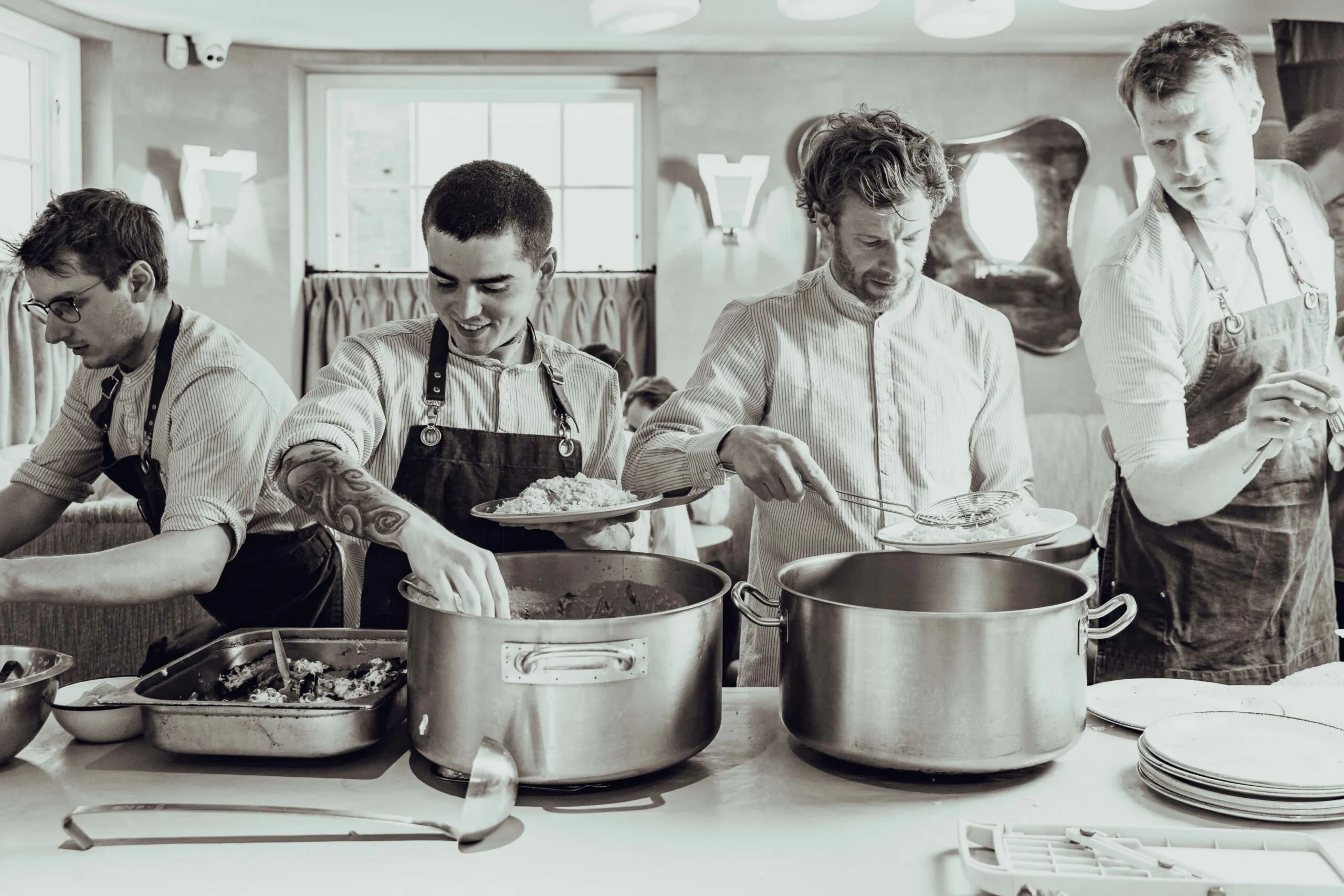
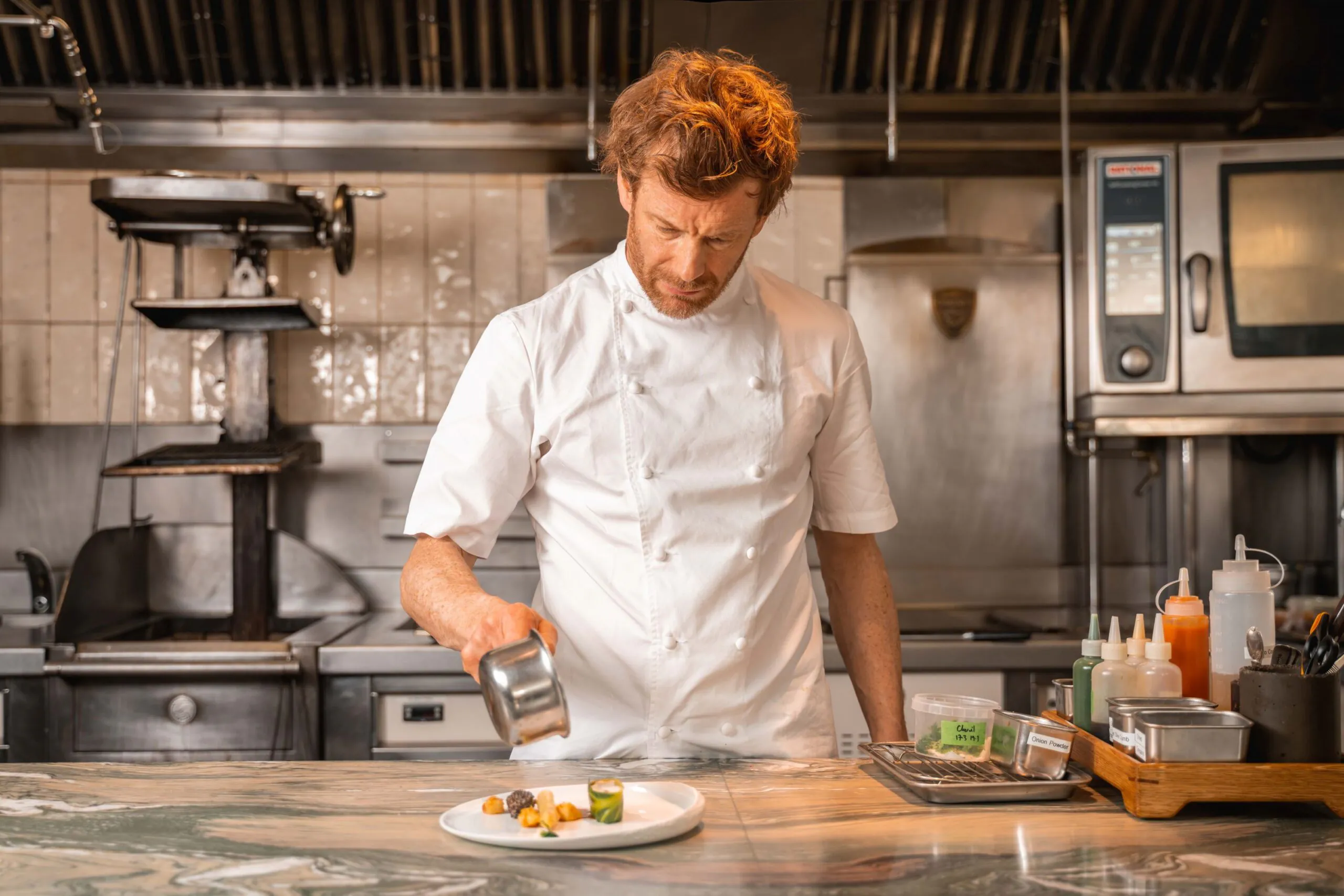
Tom and the team cooking up a storm in the kitchen ©Foodstorymedia
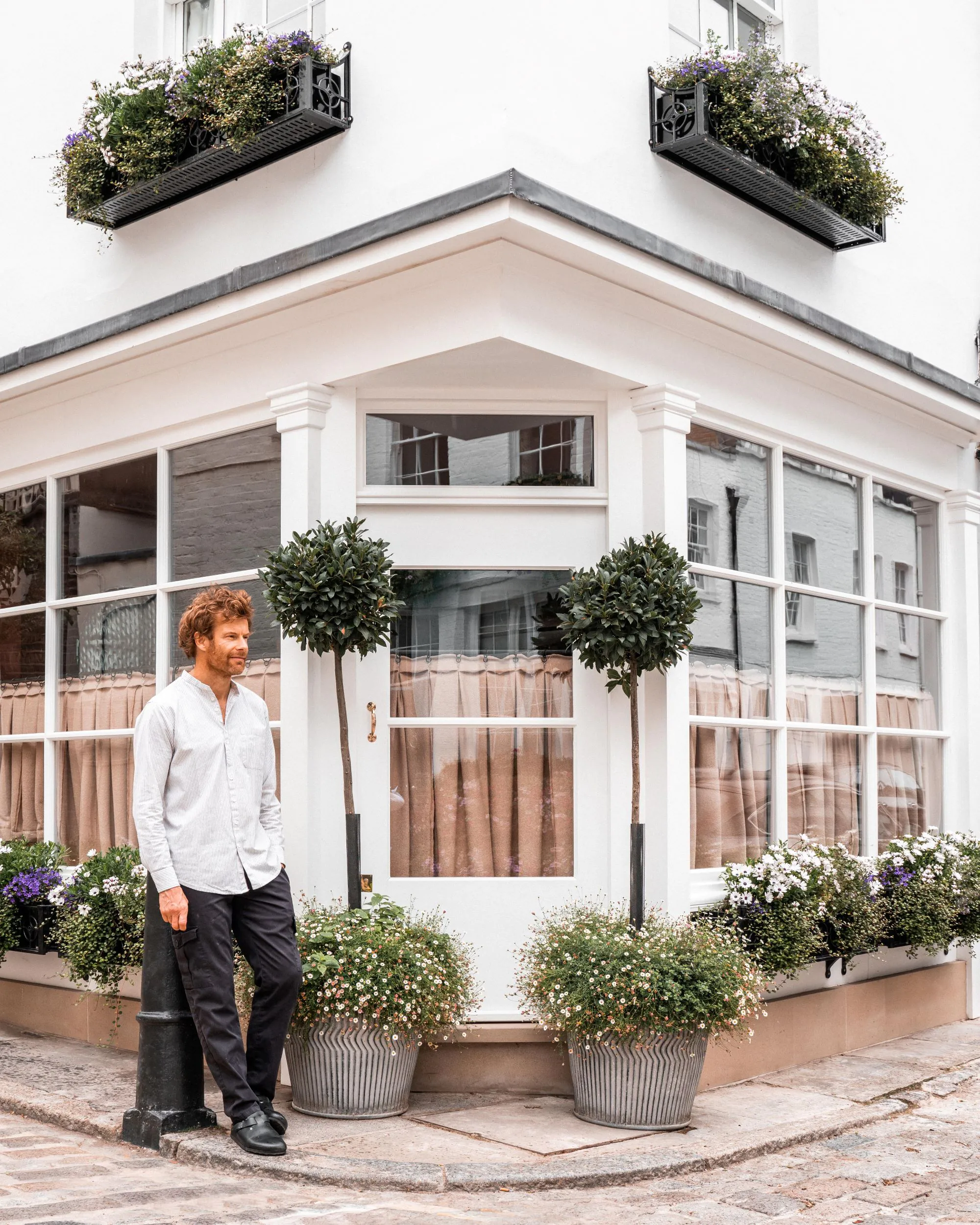
Tom Aikens, Muse founder ©Foodstorymedia
Tom Aikens, Founder of Muse
Tom Aikens has cooked at the highest levels in kitchens across the world, and yet it’s a small townhouse tucked along Groom Place that has become his most personal project. Muse – his intimate, glamorous and quietly revolutionary restaurant – arrived in Belgravia partly by instinct, partly by luck. “We were close to giving up on finding the right site when this little townhouse appeared,” he recalls. “The moment I walked in, I knew.”
The seeds of his culinary life were planted much earlier – in a Norfolk garden that was, by his own description, practically a small farm: rows of vegetables, soft fruits, things to be picked, cooked, preserved. That early relationship with ingredients and seasonality followed him through some of the most demanding Michelin-starred kitchens in the world, and it informs every plate at Muse today. “I’ve always seen what I do as creating spaces and experiences that bring people together through food,” he explains. “At Muse, that means cooking with intention – letting great ingredients and thoughtful craftsmanship tell a story.”
What Muse offers is a deliberate counterweight to the noise: a calm, contemplative sanctuary where guests are encouraged to slow down. It’s a quality Tom sees reflected in the neighbourhood itself. “Belgravia still feels like a locked-away little treasure,” he says. “Most of London thinks it’s just a posh area, but it has plenty going on and you don’t need to walk far to get everything you need.”
Favourite local haunts
Café Kitsuné and Chestnut Bakery top Tom’s list for morning rituals, and he’s a champion of the area’s understated variety. “You’ve got a great mix of shops, cafés and food culture – from Motcomb Street to Elizabeth Street” For coffee, he rates Café Nac. Bayley & Sage for provisions. Eccleston Yards is “a hidden-away Belgravia favourite”.
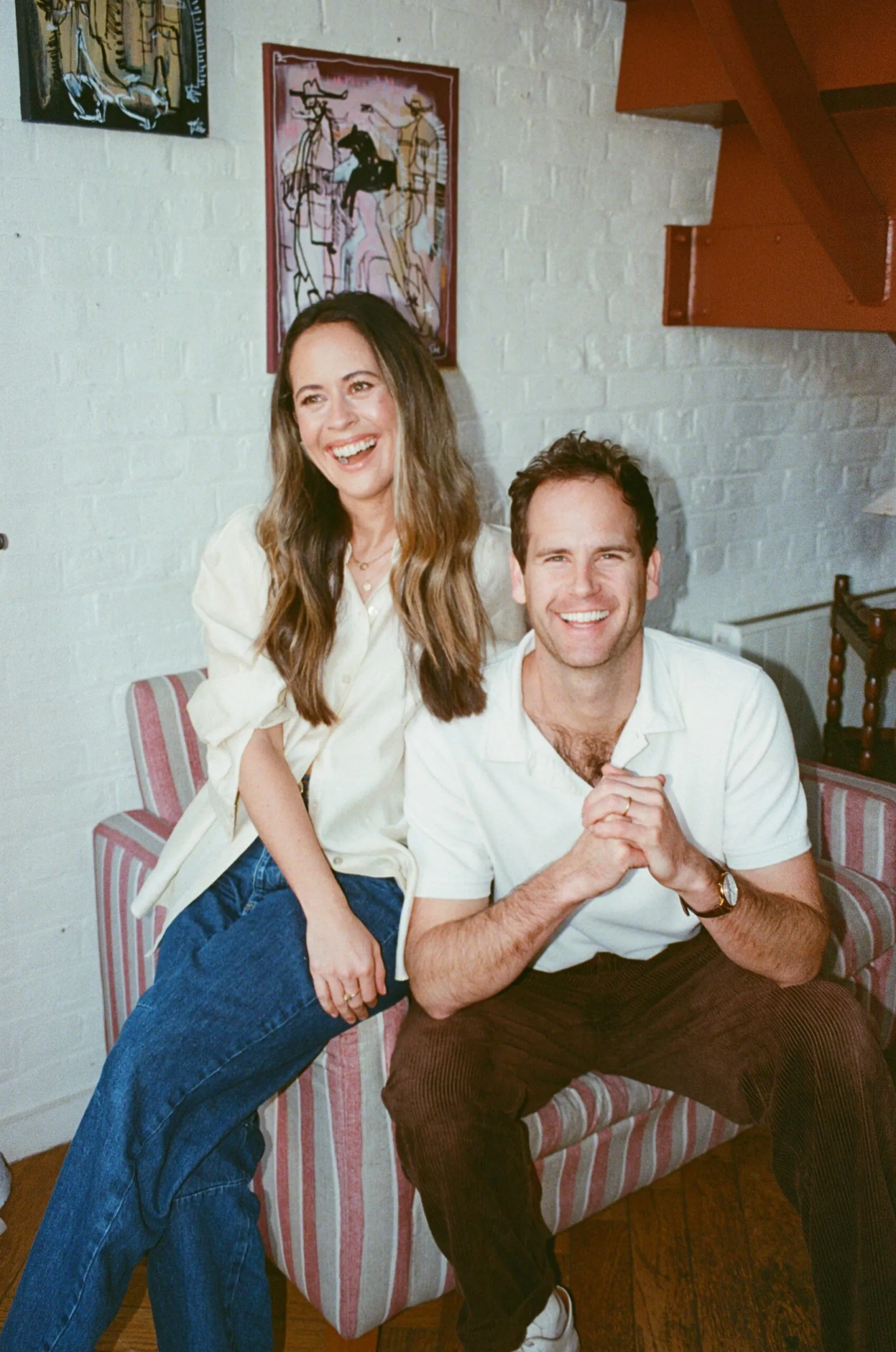
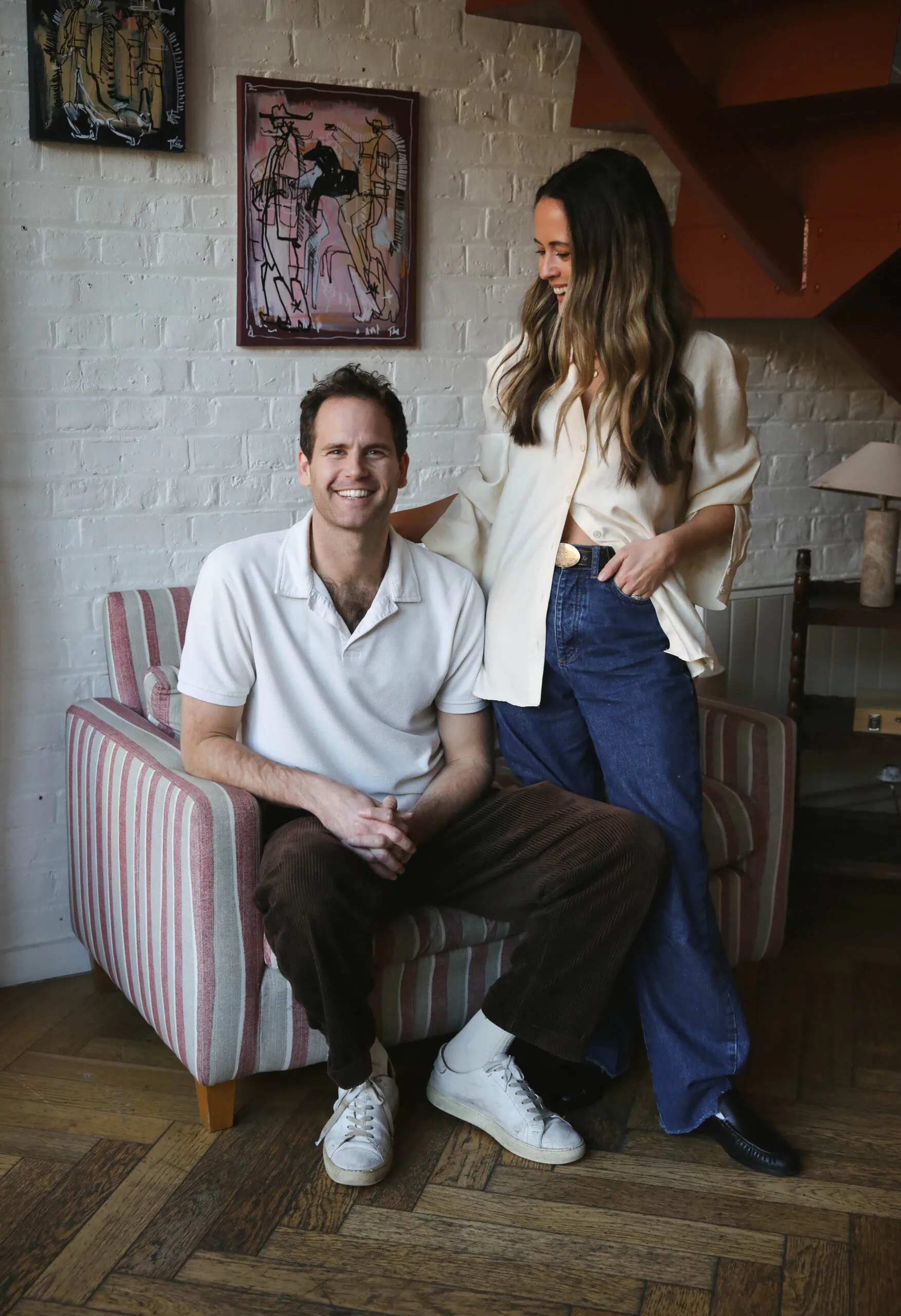
Will and Abbie Sandbach, Amie Wine founders
Will and Abbie Sandbach, Founders of Amie Wine
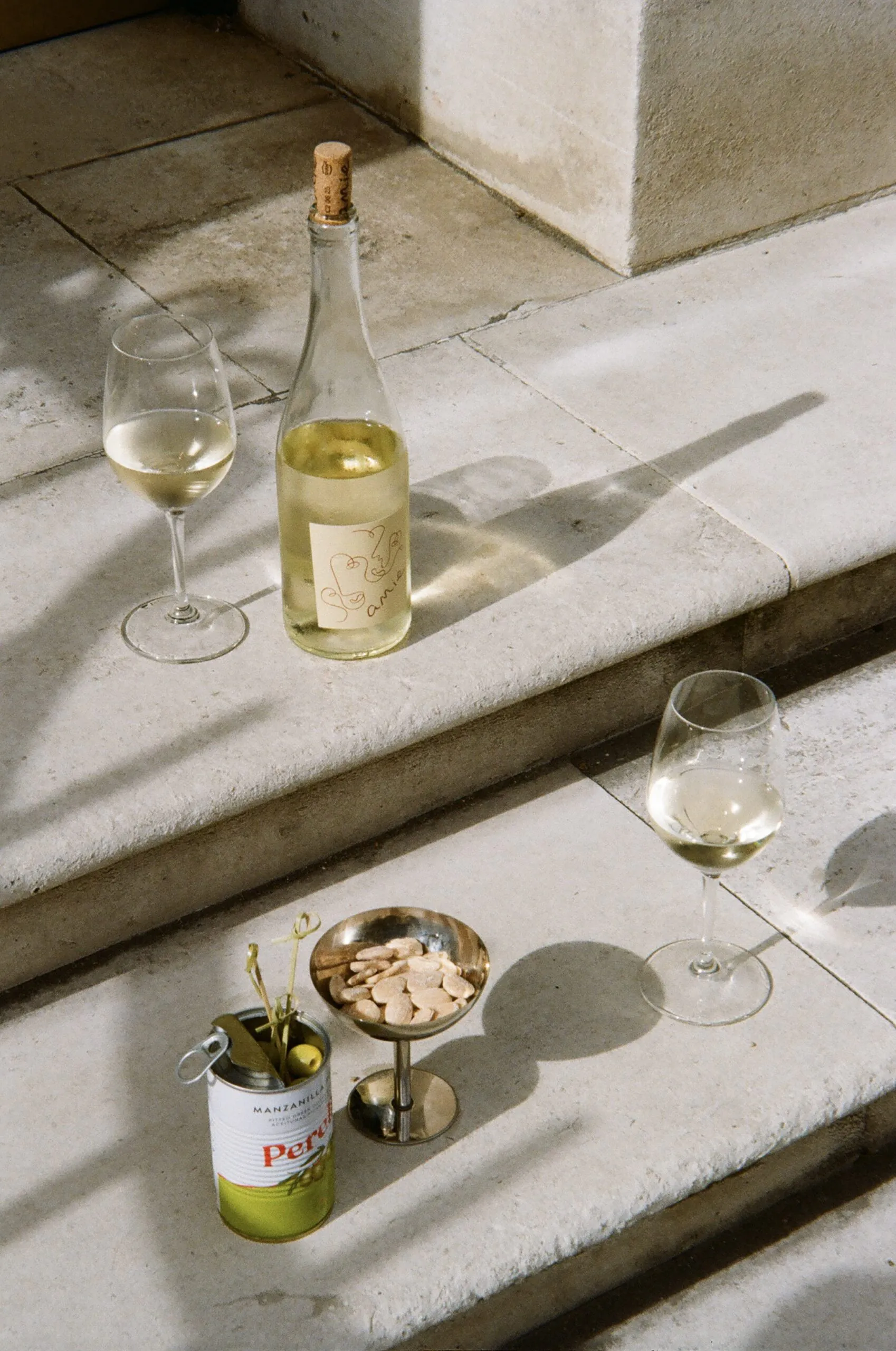
Amie was born in lockdown – a project that didn’t just survive the return to normal life but found exactly the right place to flourish within it. Founded by Will and Abbie Sandbach, what started as a gap-in-the-market wine brand in 2020 became a pop-up wine studio in Eccleston Yards in 2022. Since, they’ve quietly taken over two units in the courtyard, with a third recently established. Weezie’s – a new neighbourhood local with pizza, pints and, naturally, some of the best wine in London. “It’s all about the same ethos, similar personality, but with more to offer,” smiles Abbie.
The Eccleston Yards setting is no accident. “The courtyard,” the couple insist, when asked what they love most about being here. “How lucky are we to be located in such an amazing space for bringing people together? Even luckier when the sun is shining.” The studio also doubles as a gallery of sorts – artwork from rotating artist collaborations lines the walls, all available to buy, with 10 percent of proceeds going to charity: water. Wine and art, it turns out, are natural companions.
Hidden gems worth knowing
The couple’s local intelligence is impeccable. For shopping: With Nothing Underneath on Elizabeth Street for timeless, beautifully crafted British pieces. For breakfast, they recommend The Buttery in summer as “truly special”. The Thomas Cubitt is the reliable local pub; Wild by Tart is a must for dinner.
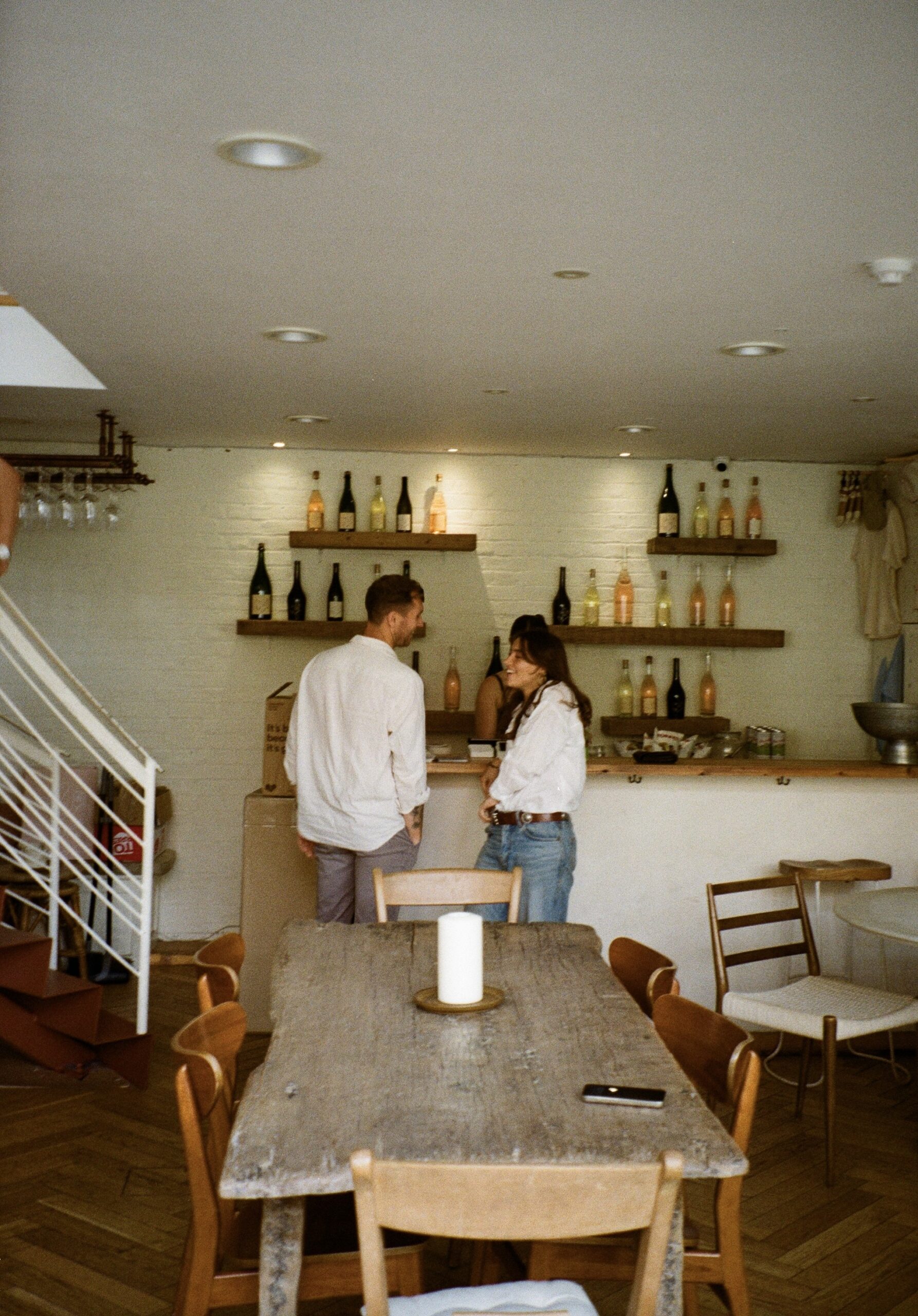
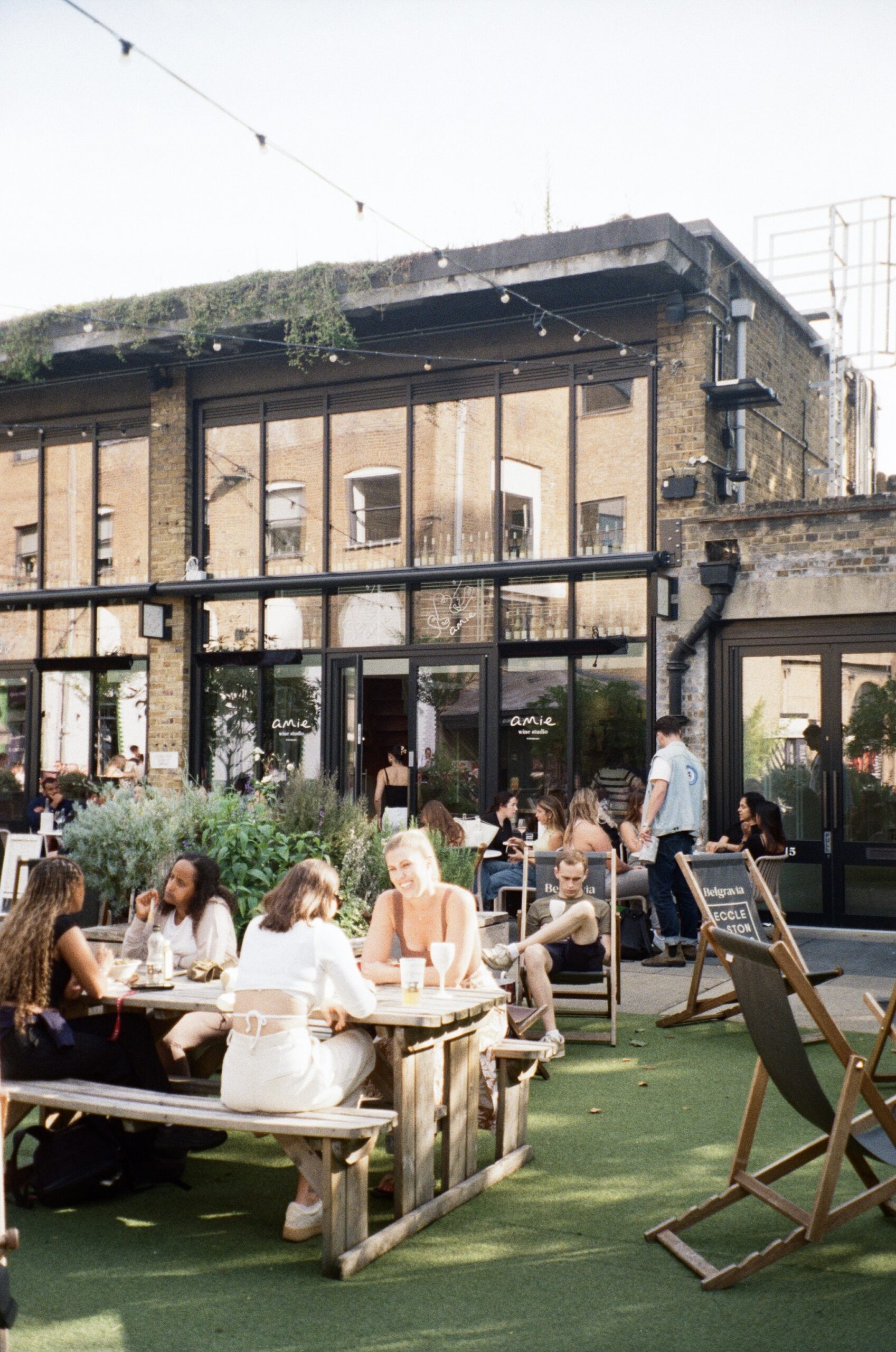

We wanted to avoid the bustle and Belgravia was just right for us. You can spend days sightseeing, then return and it’s like an escape in central London. We loved being able to stroll to so many spots for impromptu dinners and drinks.
Vanessa Sanchez, Belgravia guest
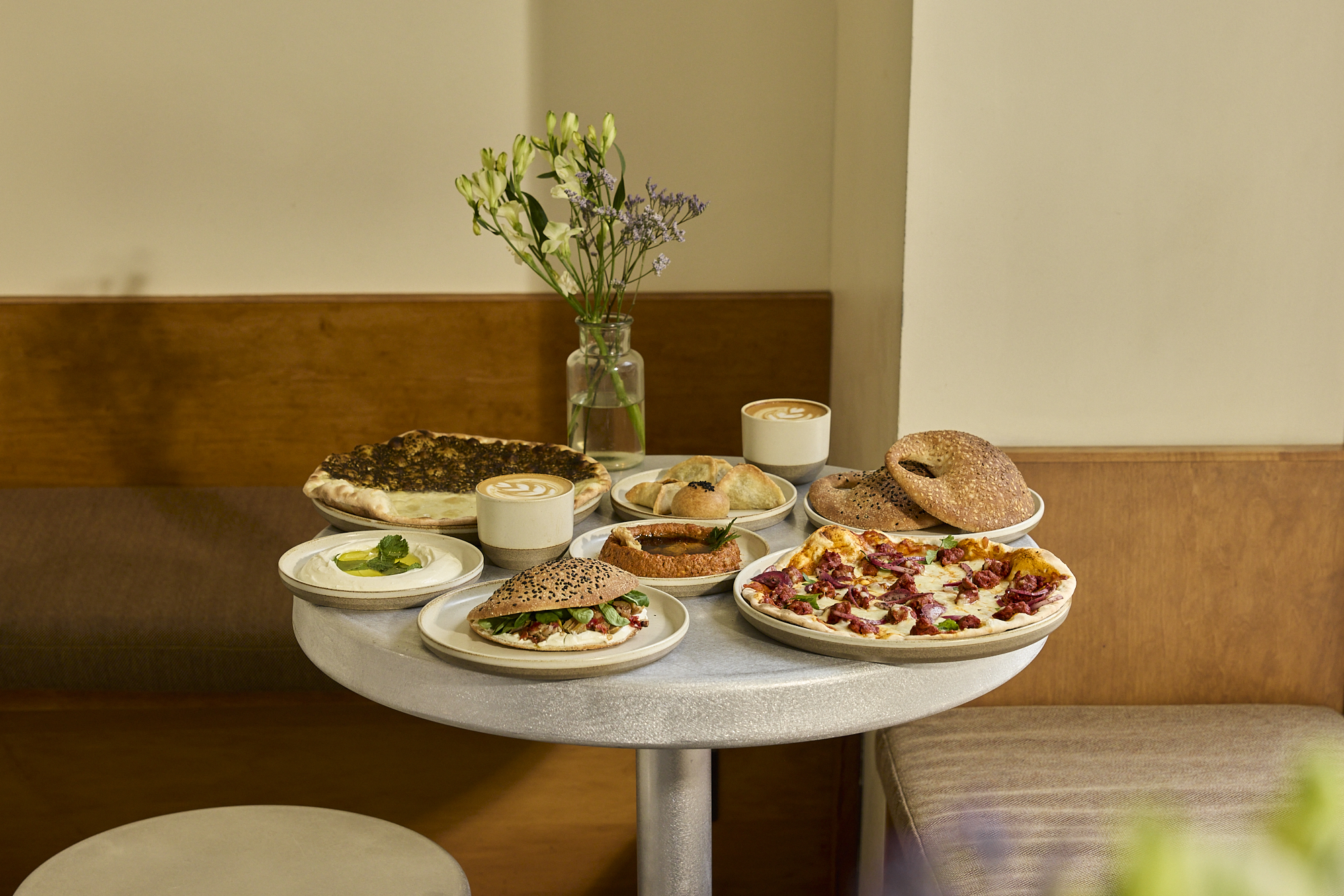
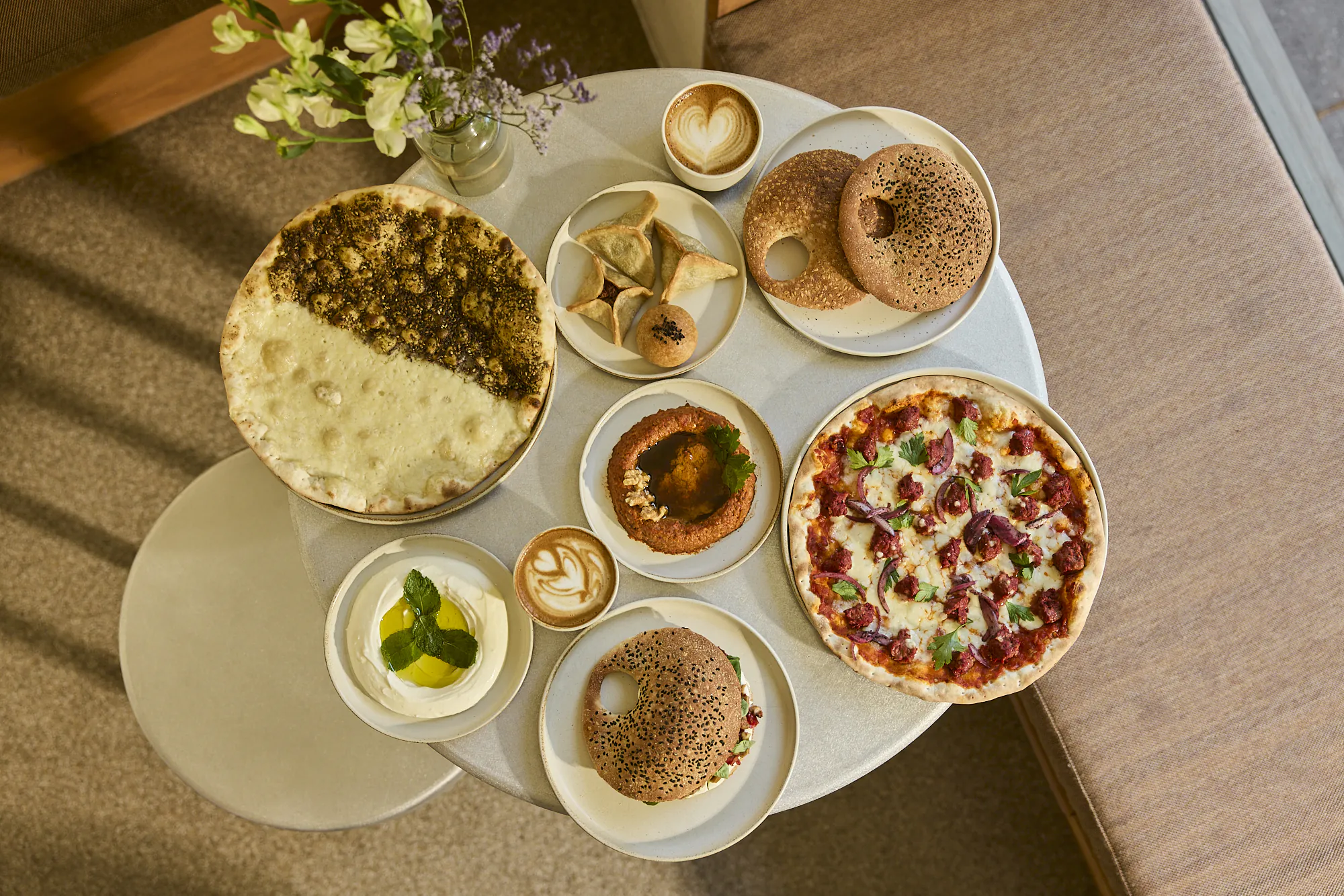
Freshly baked goods at Common Breads © Safia Shakarchi
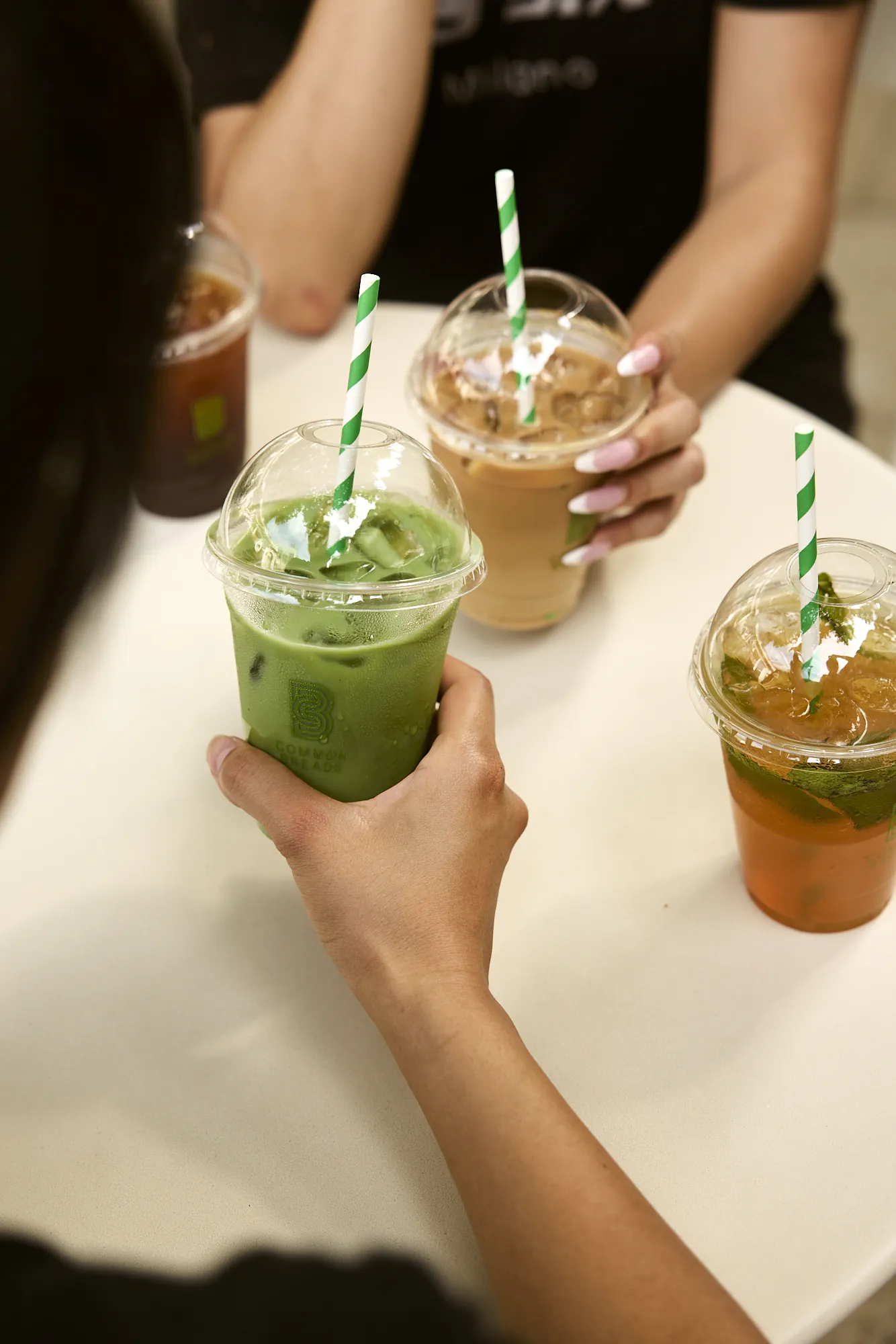
© Safia Shakarchi
The Team, Common Breads
Founded by childhood friends who grew up in Lebanon, Common Breads began as a way to bring a slice of Beirut to Belgravia. “In Lebanon, bakeries are much more than just places to pick up bread,” the team explain. “They’re a part of daily life, deeply rooted in community. We wanted to create a place that captured this same spirit.”
The setting was an obvious choice for the founders . “It’s a neighbourhood with an appreciation for quality,” they add. “There’s a lovely sense of belonging here. It felt like the right place to establish a bakery that could become a welcome place to return to.”
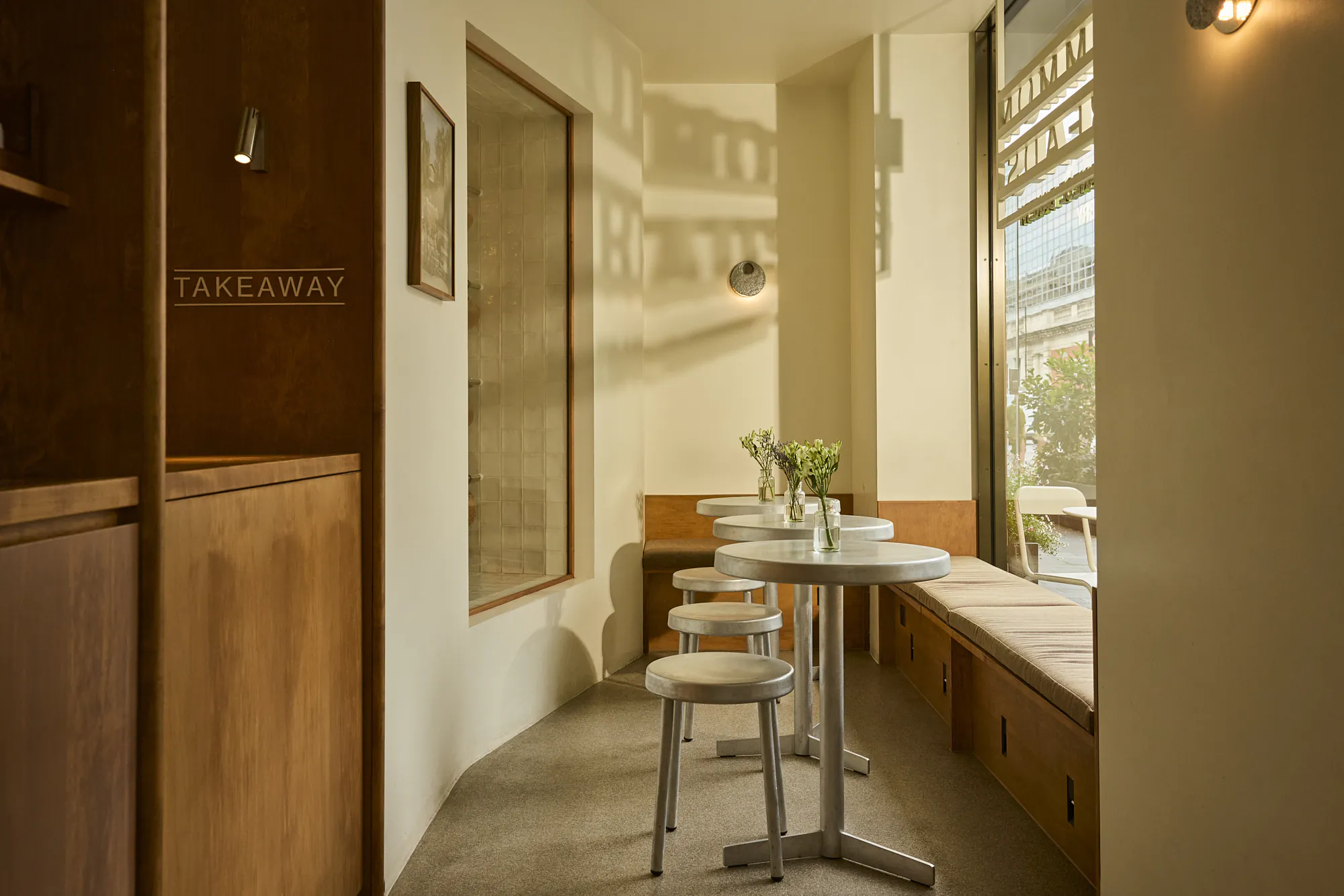
That spirit extends to the space itself. Designed by MA Studio, interiors draw deliberately on Lebanese heritage: notably in the floor, speckled to evoke the sesame seeds that dust freshly baked ka’ak. It’s a detail that rewards a second glance and speaks to the care taken in making Common Breads feel like somewhere – not just somewhere to stop. Familiar faces gather at the counter each morning, the neighbourhood’s rhythm absorbed into their own. “We love seeing the same people stop by every day. Chatting across the counter, becoming part of the area’s flow, that’s what we came here for.”
On the neighbourhood
Elizabeth Street is a regular recommendation – its cafés and boutiques making it an “easy, relaxed and reliable wander”. But for Common Breads, Belgravia’s best quality might simply be its walkability. A slow morning stroll, the smell of fresh ka’ak in the air and a quiet turn through the garden squares.
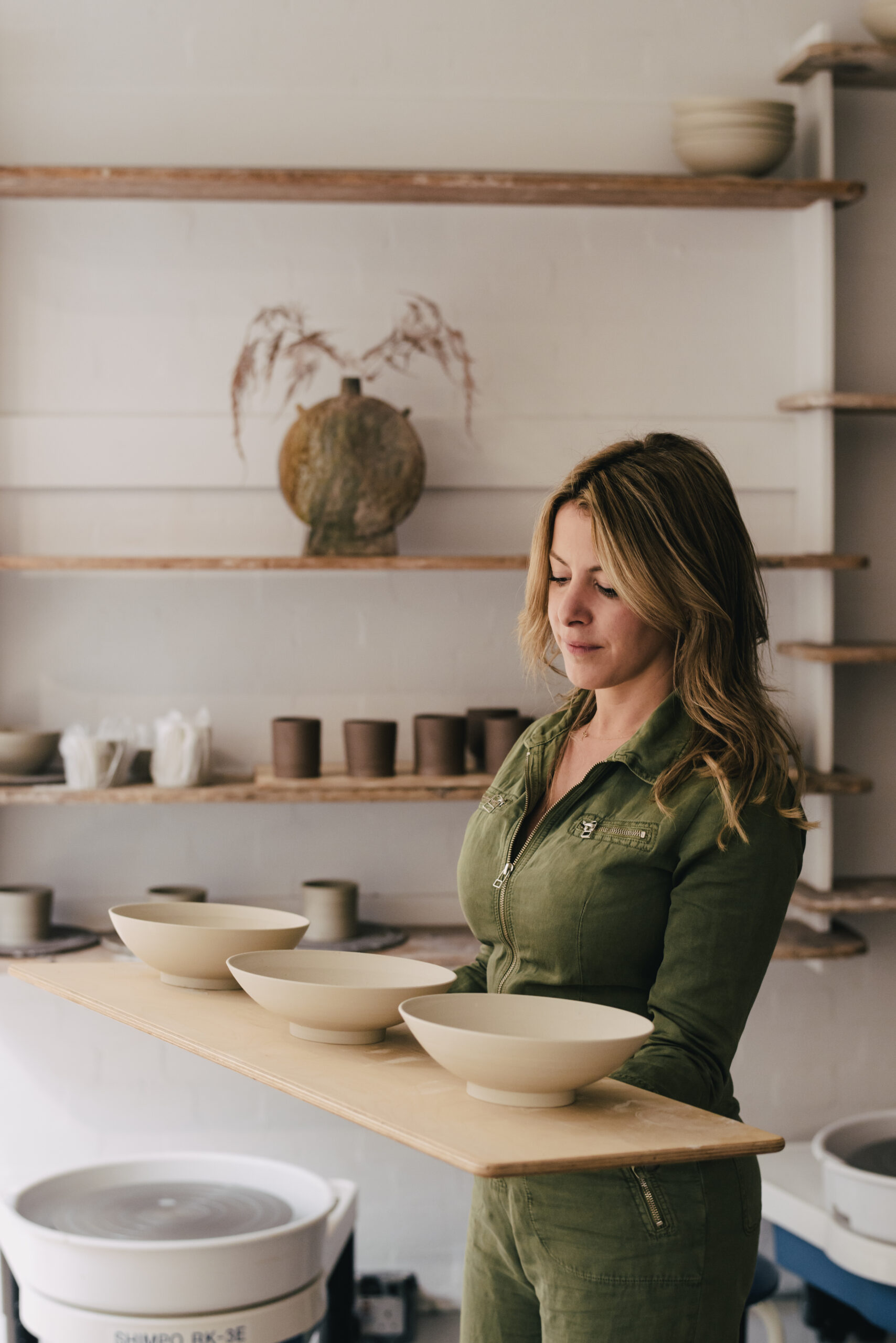
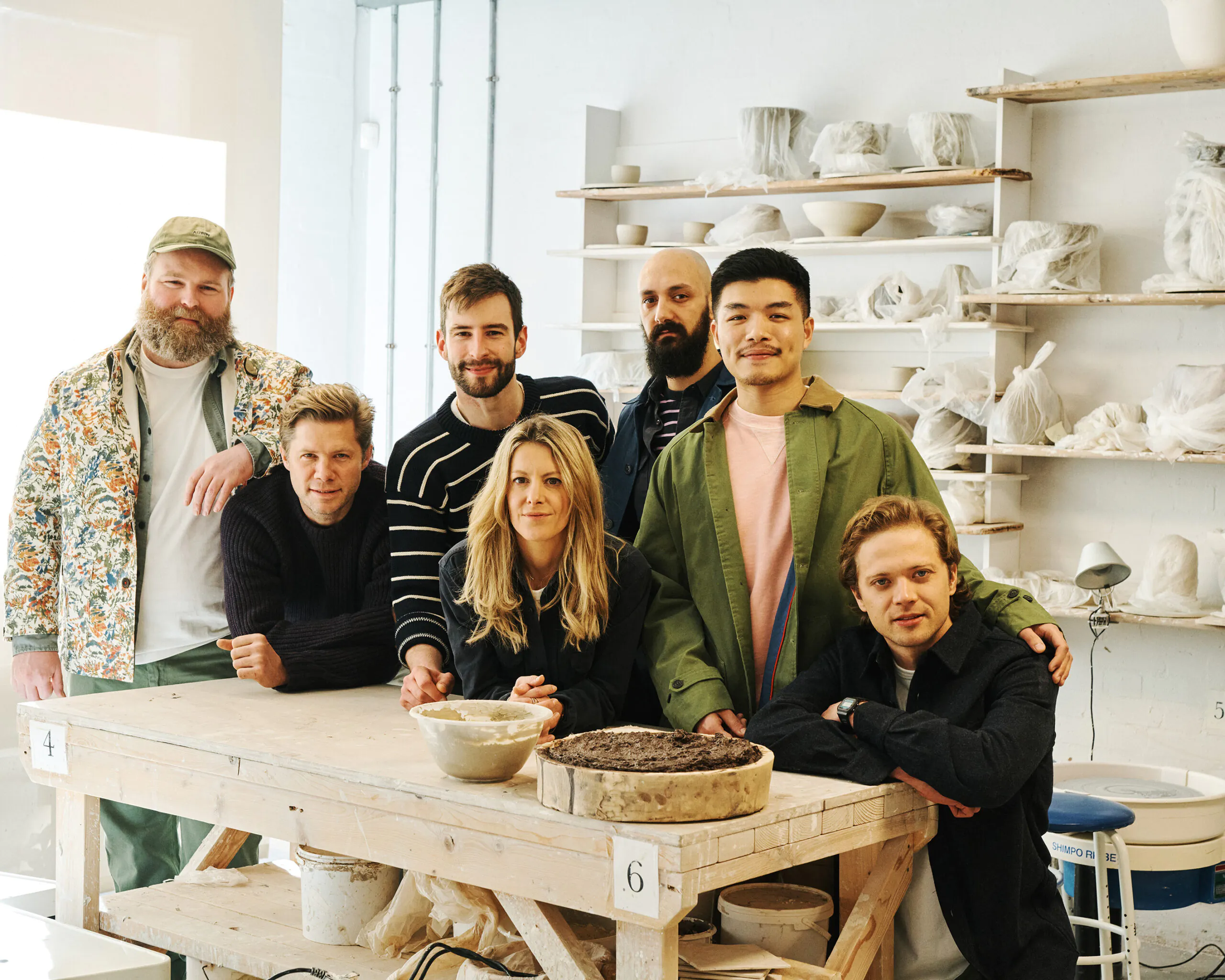
Lucy Atwood, Studio Pottery director, wearing Aubin
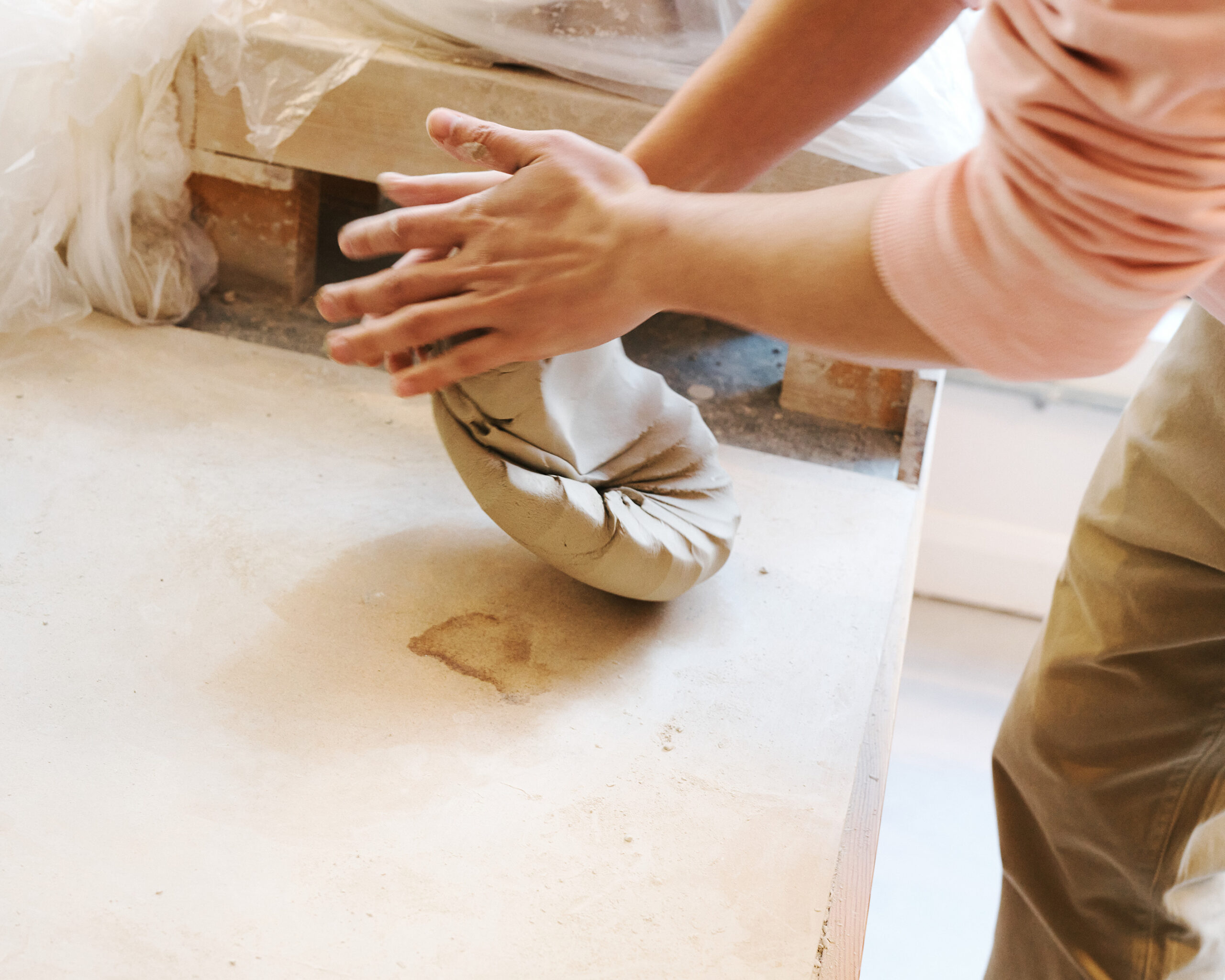
Lucy Atwood, Director of Studio Pottery
Studio Pottery arrived in Eccleston Yards before the courtyard was quite the draw it is today – and that, in part, is because of places like it. Director Lucy Attwood, who once had a flat in Belgravia and knew the area well, spotted the potential in what was then an old car park earmarked for development. “It was almost ghost-like,” she recalls. “No one was really there.”
Co-founded with Artistic Director Gregory Tingay, the duo knew the location made creative sense too. “The light in this part of West London has always attracted artists,” explains Lucy. “The great windows of the Chelsea townhouses are essentially artist houses and being close to that world felt important.” Soon, the site blossomed around them – budding independents now established locals.
Throwing – working with clay on the wheel – is the practice that Studio Pottery is built around, though hand-building has its place too. “It’s a holistic but really joyous experience,” muses Lucy, “one that connects you to a living history of human making.” For those new to clay, group taster sessions and foundation courses offer a gentle way in. More experienced potters can join the regular class schedule, book one-to-one tuition or become a member of the studio. The space is also available for private hire, with the team well practised in arranging private functions and one-off experiences. “At the heart of everything,” says Lucy, “is the desire to form a community around a shared love of pottery in all its forms .”
Hidden gems worth knowing
Topping Lucy’s list of local recommendations is wellness studio Re:Mind. “A midday sound bath is honestly completely dreamy,” she reflects. Wild by Tart, which opened alongside Studio Pottery in the early days of Eccleston Yards, remains a firm favourite too.
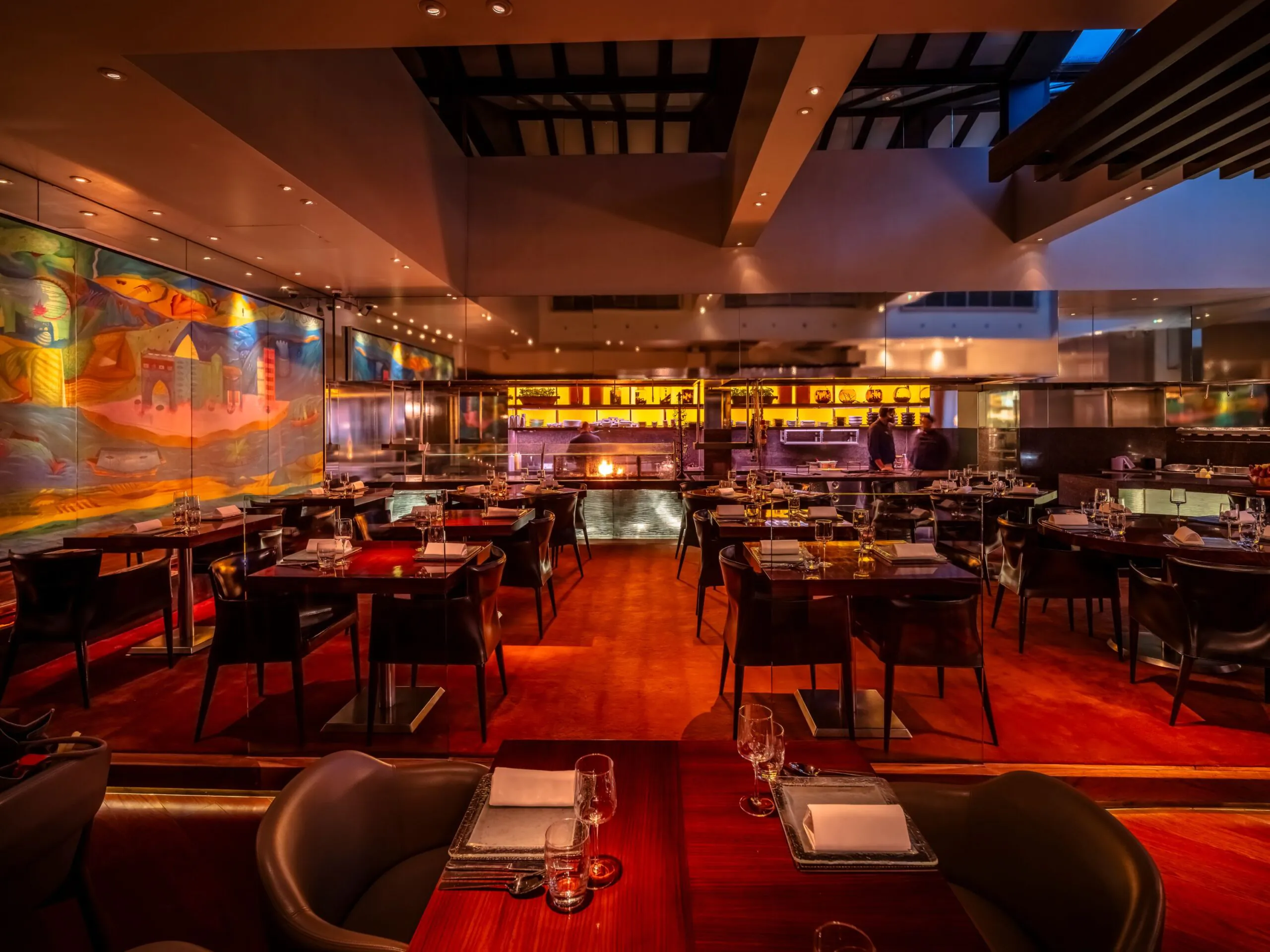
Camellia Panjabi, Co-founder of Amaya
Long before live-fire dining became a fixture on every restaurant trend list, Amaya was doing it quietly, and with a Michelin star to show for it. When the restaurant opened in 2005 in the Halkin Arcade, Motcomb Street was in the middle of a considered reinvention – and founders, Ranjit Mathrani and Namita and Camellia Panjabi, were invited to be part of it.
The concept began with research: a year spent travelling extensively across India. “Our vision was not just to replicate tradition, but to reinterpret it,” shares Camellia. “We took our time mapping regional cooking techniques and rethinking what it could become in a contemporary London setting.
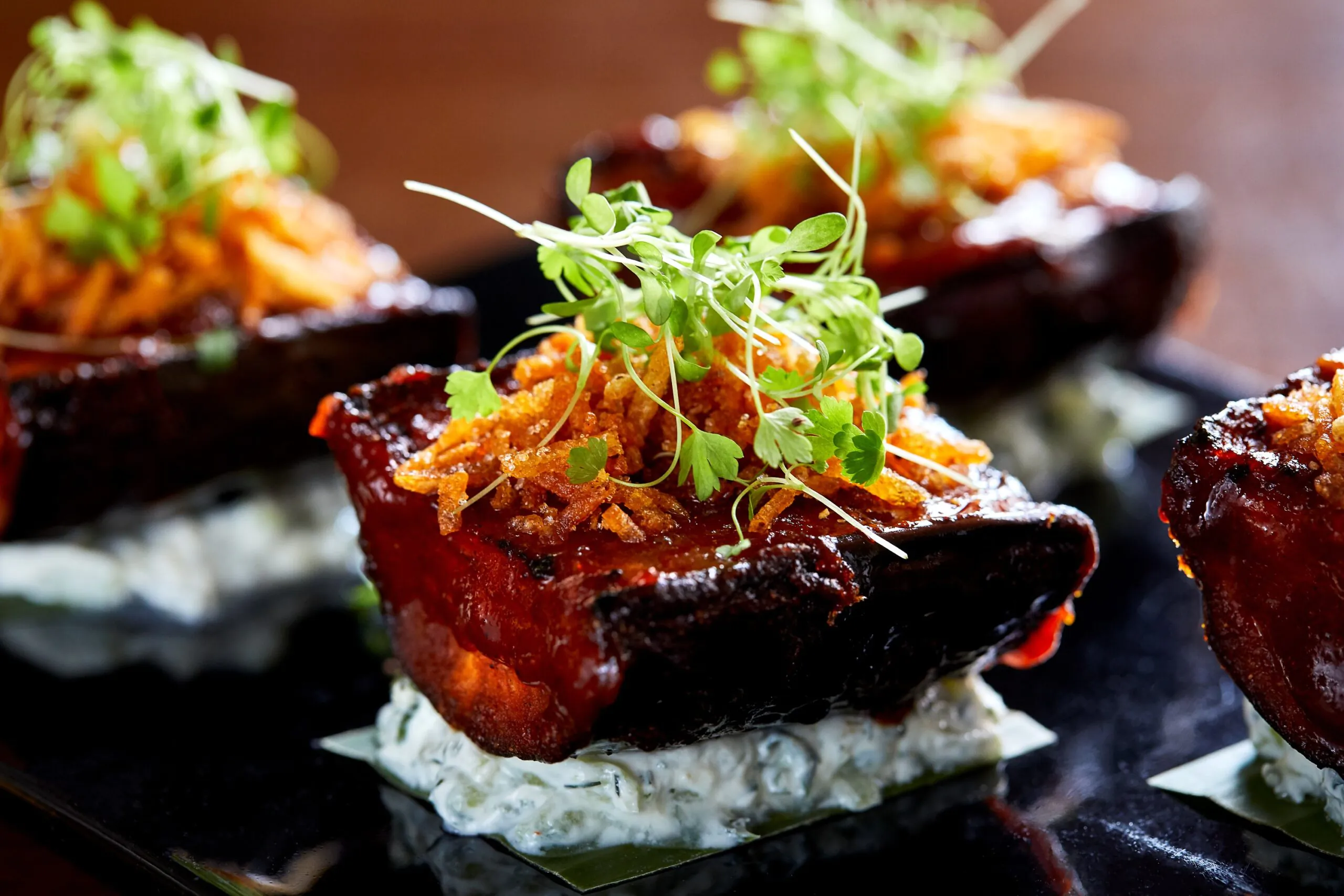
The answer was The India Grill – three distinct live-fire methods (tandoor, sigree coal barbecue and tawa griddle) showcased in a pioneering open kitchen where every dish is cooked to order in full view of the room. Within a year of opening, Amaya had its Michelin star. It has held it ever since. Twenty-one years on, the restaurant continues to evolve – its menu reflecting British seasonality – while the open kitchen remains its beating heart. “Amaya has played a real role in Belgravia as a culinary innovator,” Camellia enthuses. “It’s become a destination for unconventional Indian dining.”
On the neighbourhood
Camellia’s local recommendations reflect an appetite for the exceptional. Mouawad offers magnificent jewellery; Neill Strain, extraordinary flowers. For something truly singular: a candlelit swim with underwater speakers at Surrenne Belgravia in The Lanesborough Club & Spa.
Delve into our Belgravia neighbourhood guide, or explore our homes across Belgravia and Chelsea.
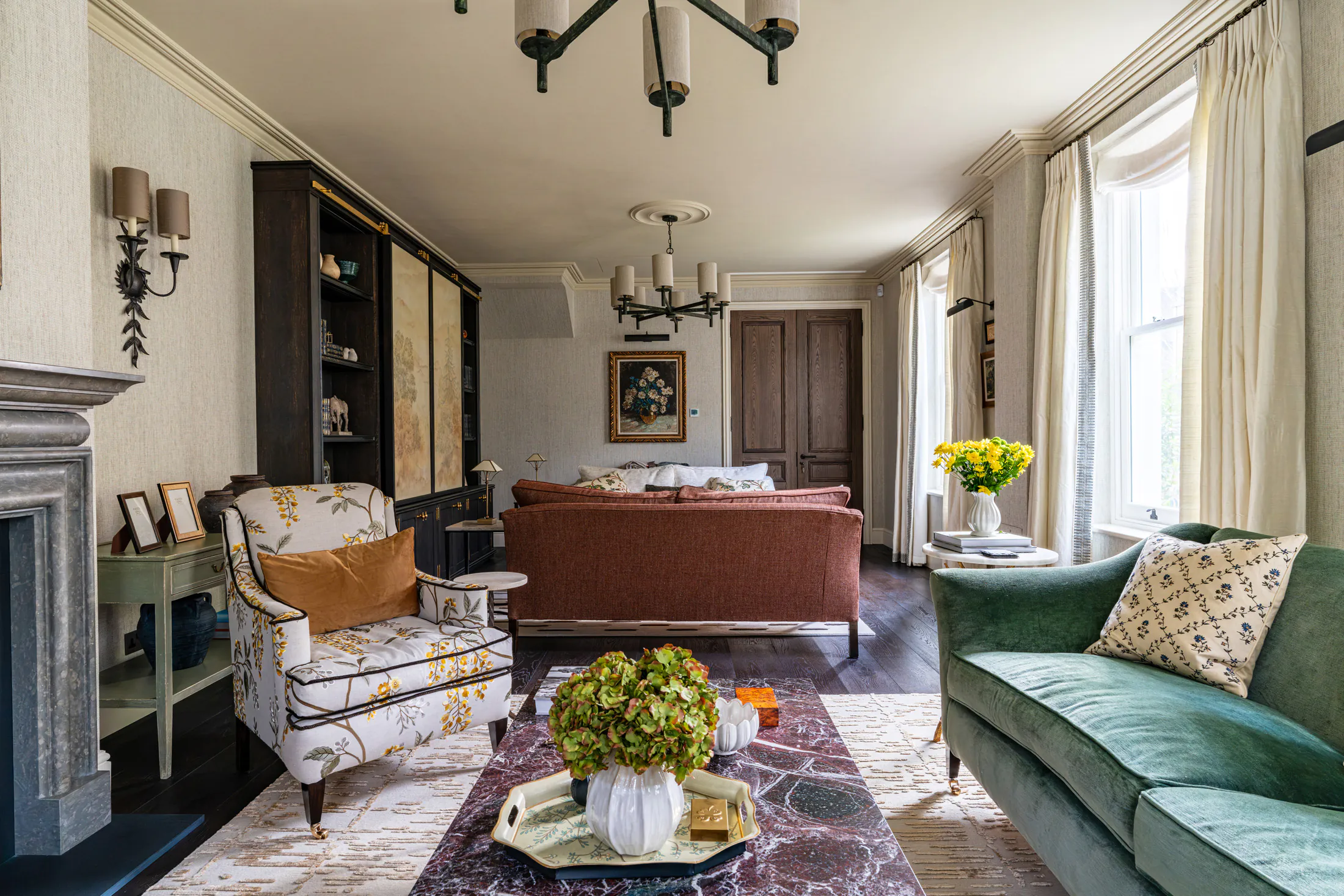
The nature of the place: A Wimbledon home drawn from its surroundings
Art & Culture Interior Design
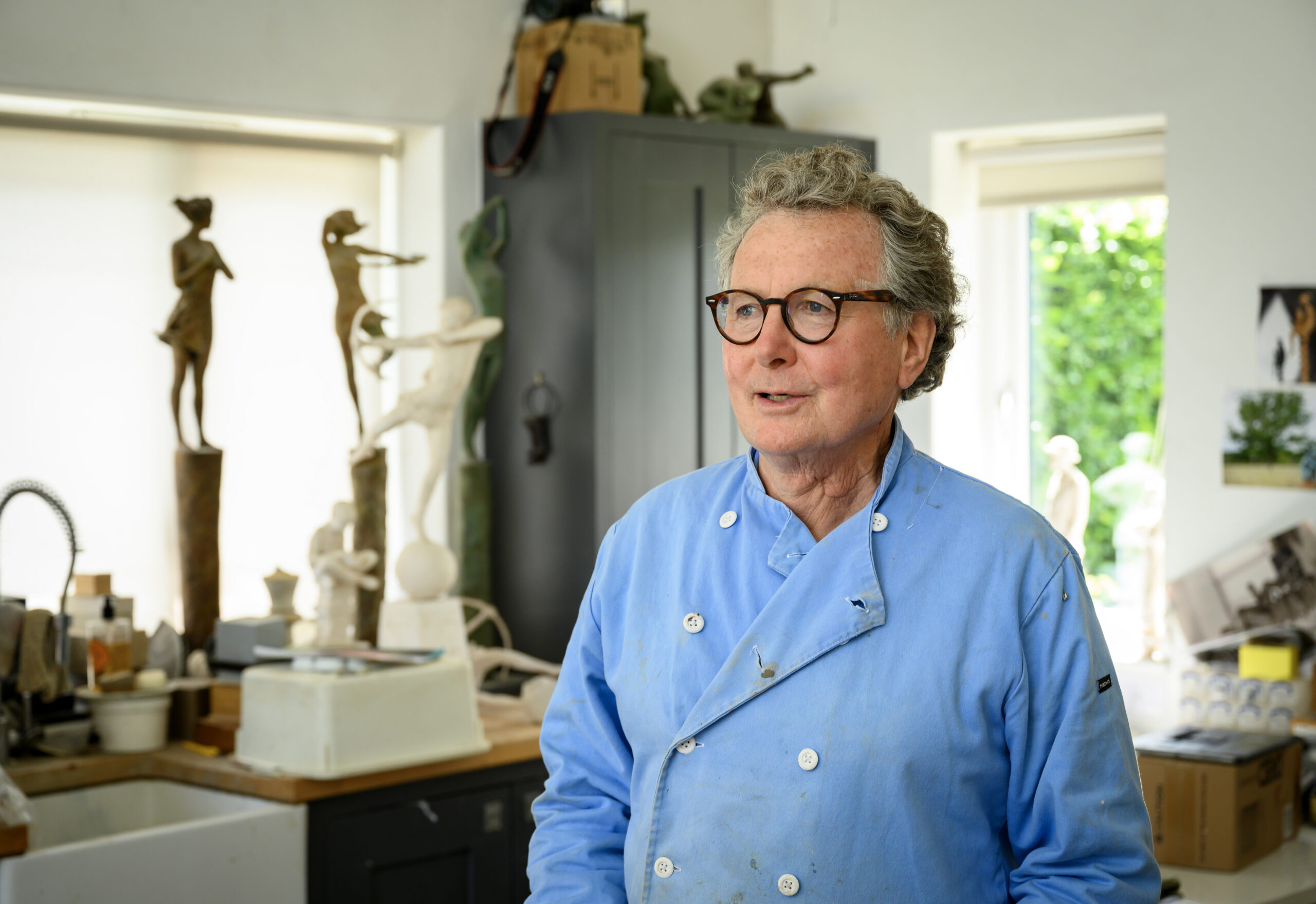
Capturing movement: in the studio with sculptor David Williams-Ellis
Art & Culture Interior Design
A return to form: The reinvention of Holland Manor
Architecture Interior Design
By Reservation Only: A Fulham townhouse that knows how to host
Architecture Interior Design
Escaping the noise: Turning down the volume at Cornwall Gardens
Architecture Interior Design
The art of togetherness: Shaping Stow Farm
Architecture Interior Design
Living like a local in Belgravia
Lifestyle