
The art of togetherness: How two studios shaped Stow Farm
Architecture Interior Design
Maximalist noise or minimalist restraint? It’s an age-old debate in design, with interiors often swinging between the two. One moment, spaces are layered, loud and competing for attention; the next, they’re pared back to near silence. The middle ground is harder to define – and easier to overlook – but it’s a balance this Cornwall Gardens home strikes with ease.
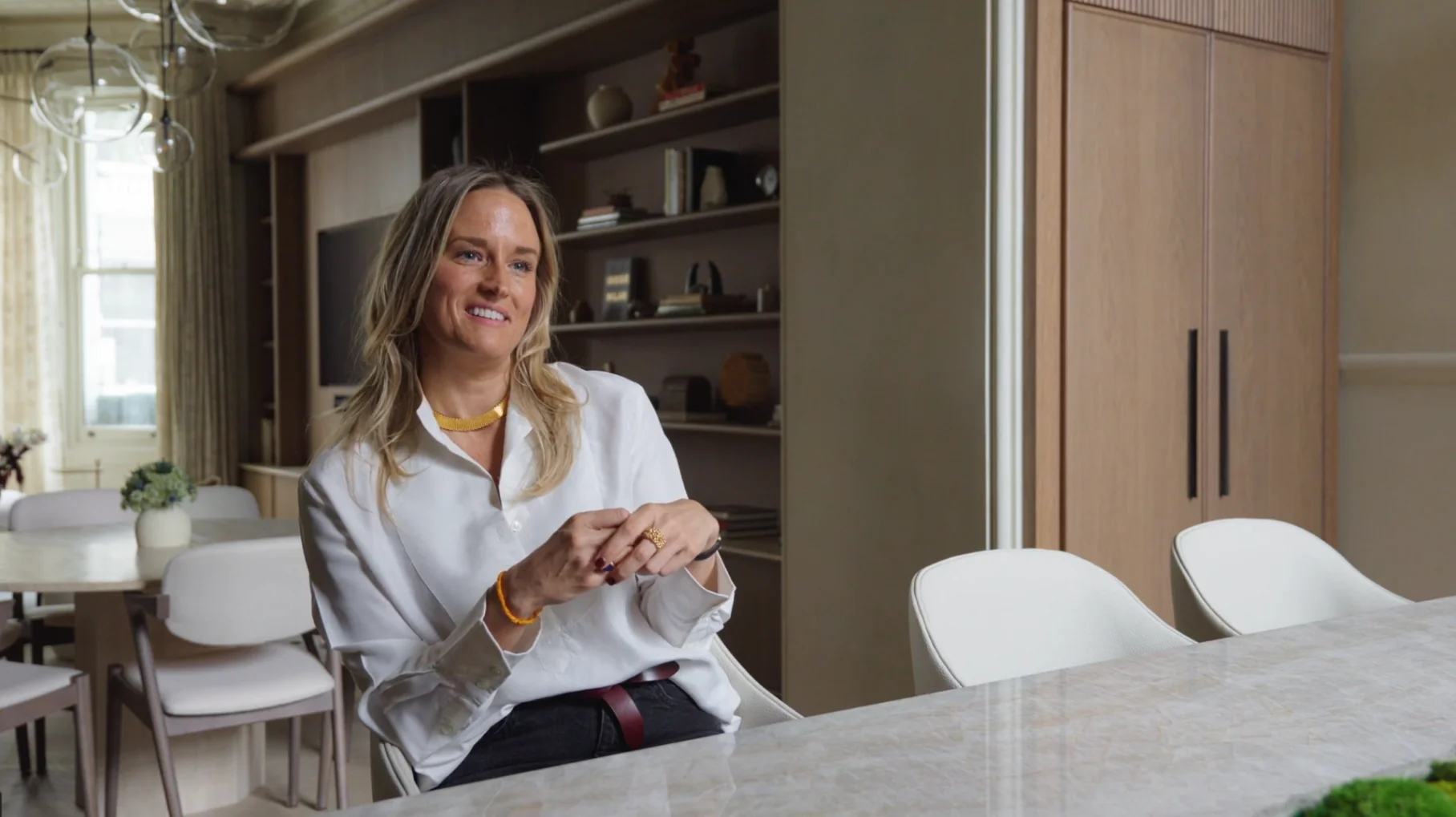
For homeowners Hyeyon and Nelson Allen, what initially began as necessary renovations soon turned into an entire transformation. “We wanted a place of rest – somewhere to pause and recharge,” says Hyeyon. “Calm was never a rigid guide, but it was the underlying intention.” A modest brief on paper, but one that is deceptively difficult to achieve.
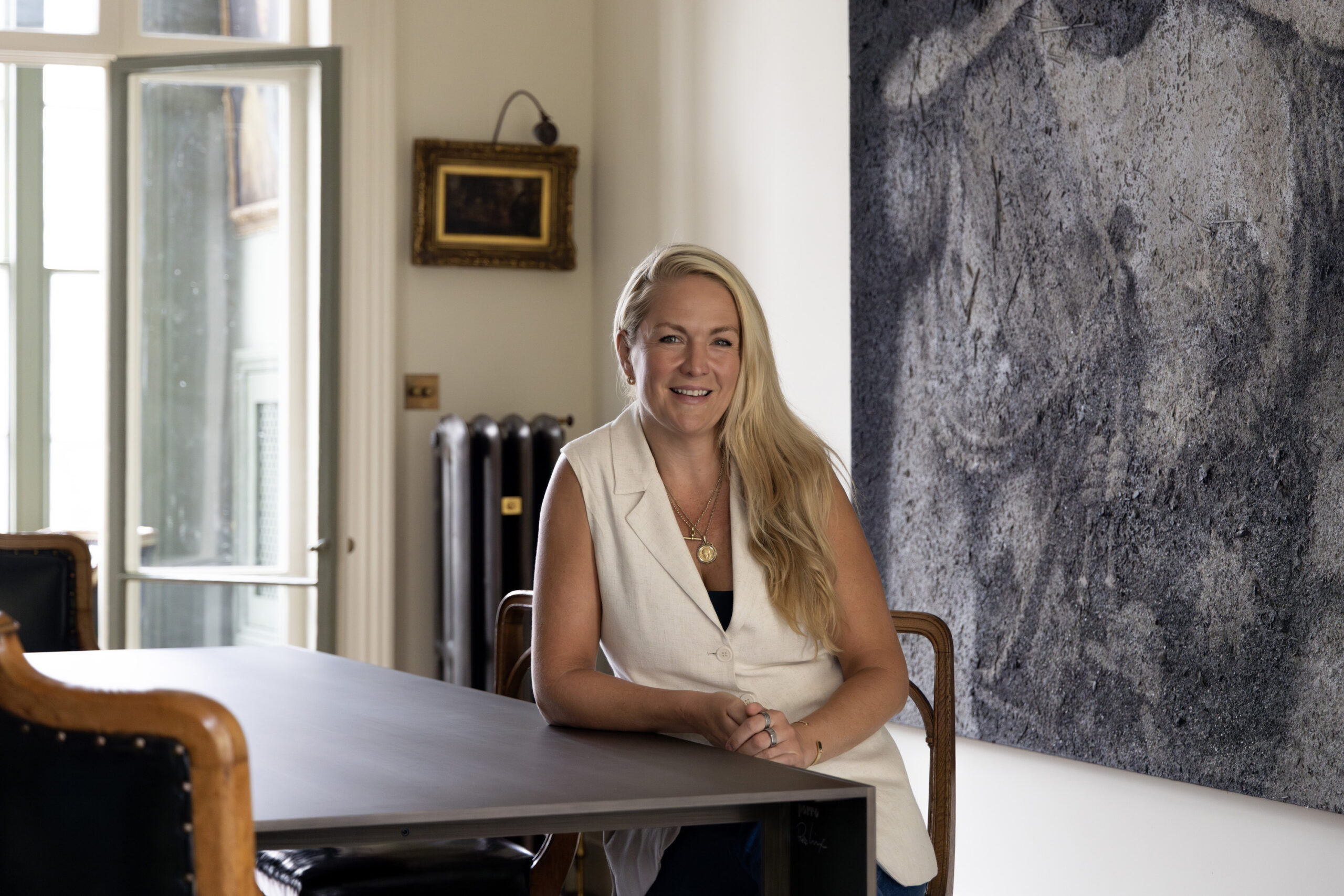
Enter interior designer Disa Horn. Raised between the US and the Swedish Archipelagos (with later years split between Stockholm, Dubai and London), her global outlook was an ideal match for the US-based couple. “I approach each project almost like an actor stepping into a role,” Disa explains. “Understanding what brings clients peace, how they respond to colour, texture and tone.” In this case, that meant translating the couple’s “innate sense of calm” – and resisting the urge to overwork it.
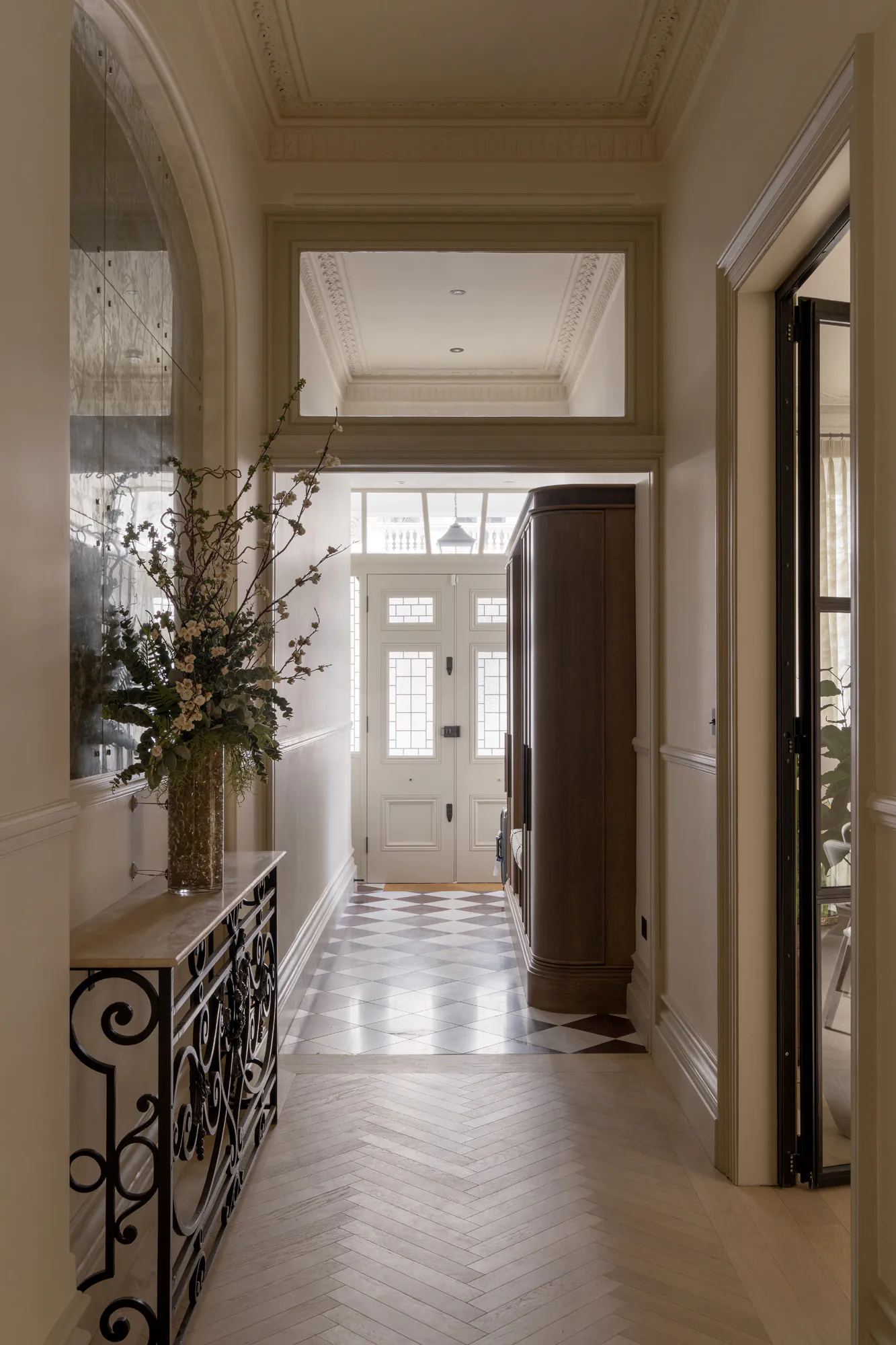
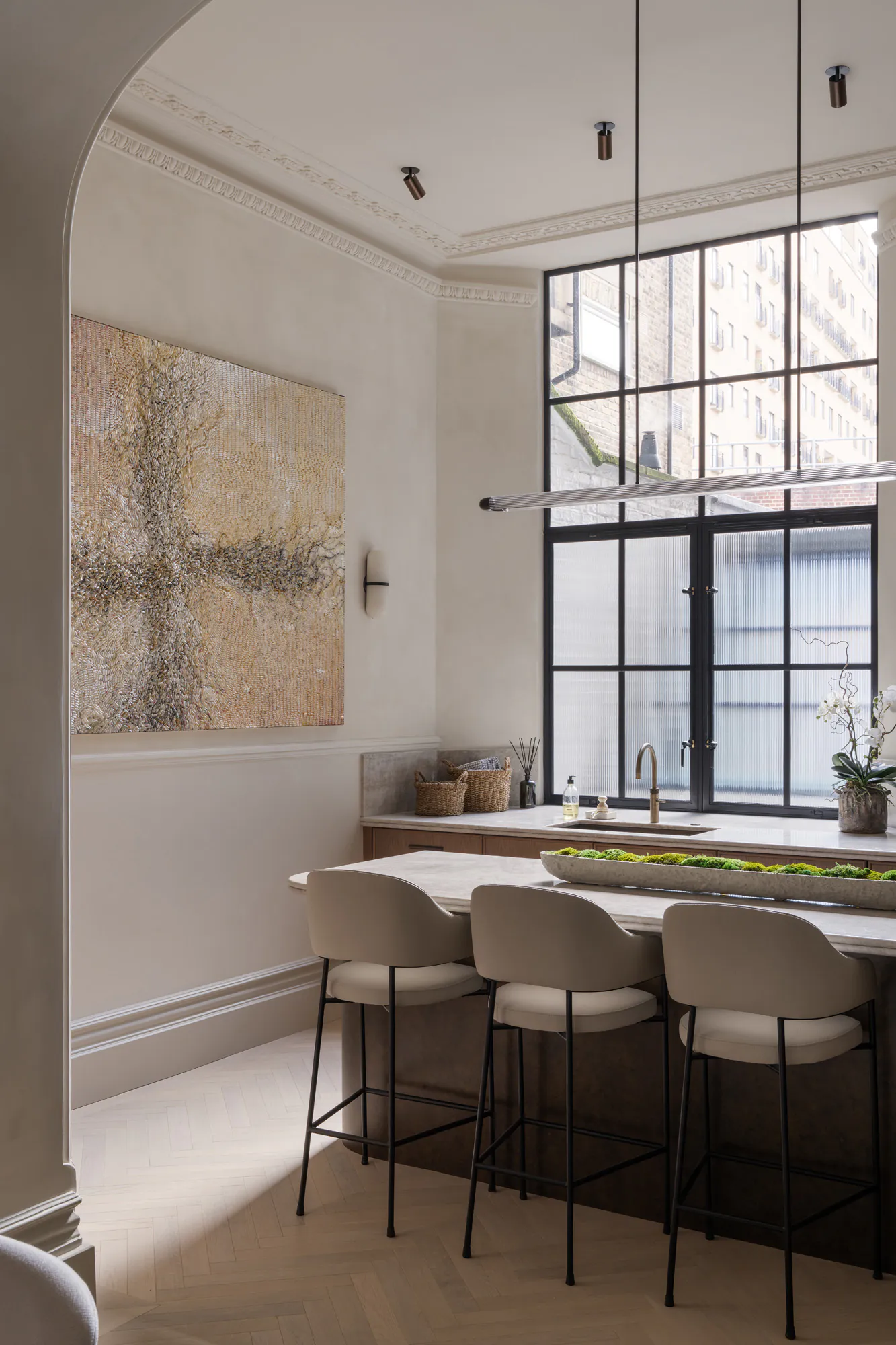
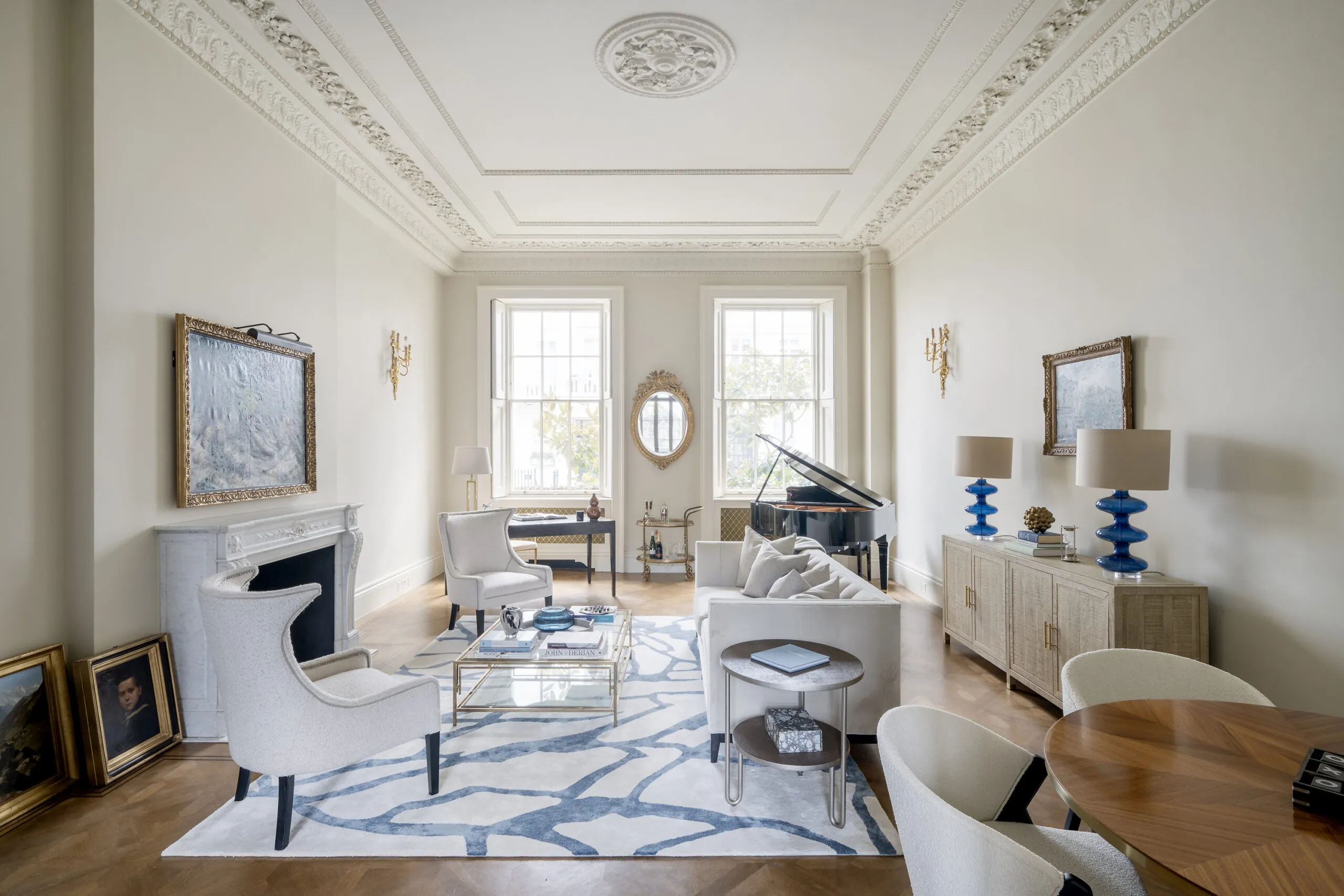
The result isn’t minimal, exactly, but it’s definitely not maximal either. Instead, it sits in a more elusive middle ground. From the moment you step through the private entrance – a rare detail and Nelson’s favourite feature – everything seems to slow. In a city as loud and relentless as London, Cornwall Gardens offers the opposite.
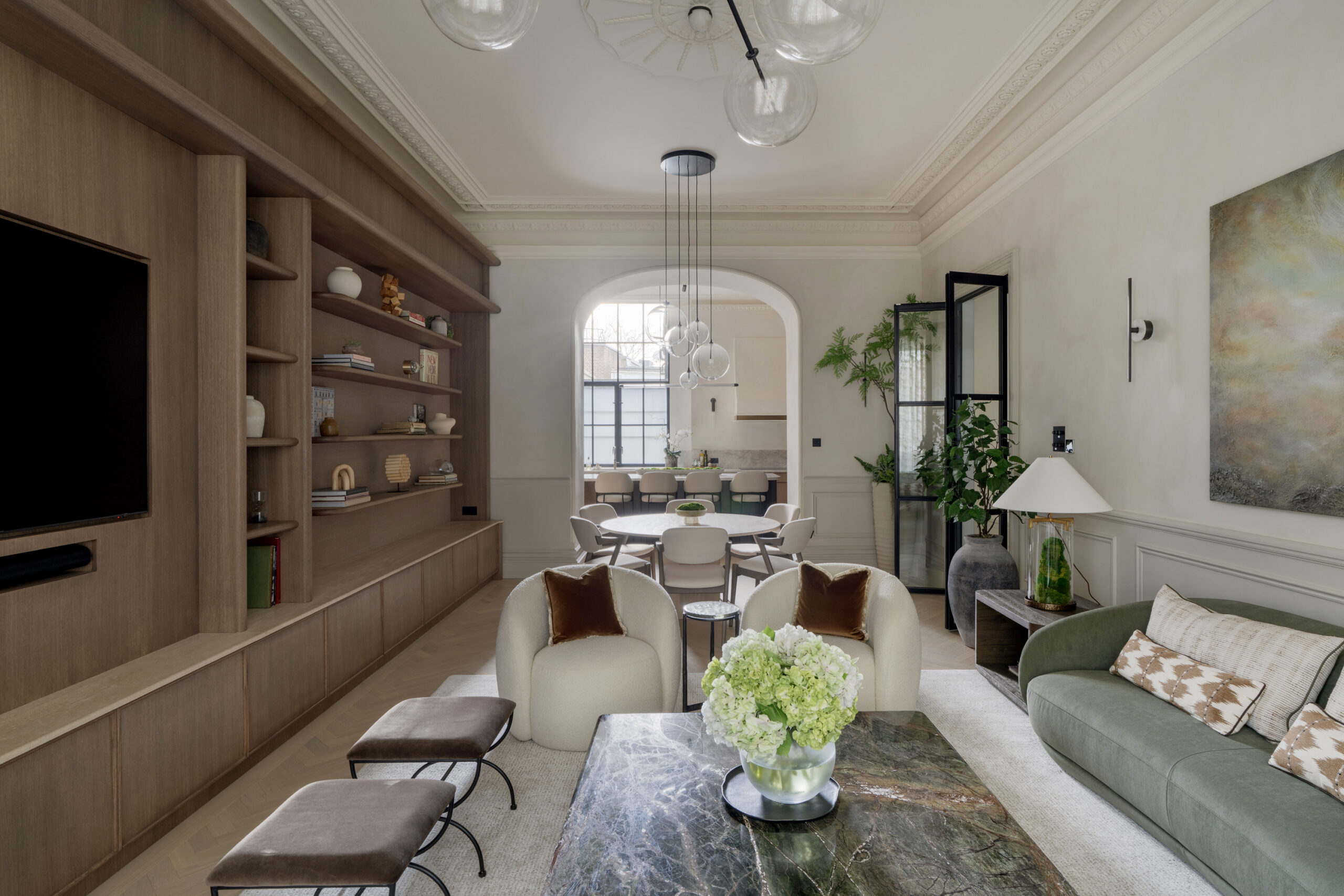
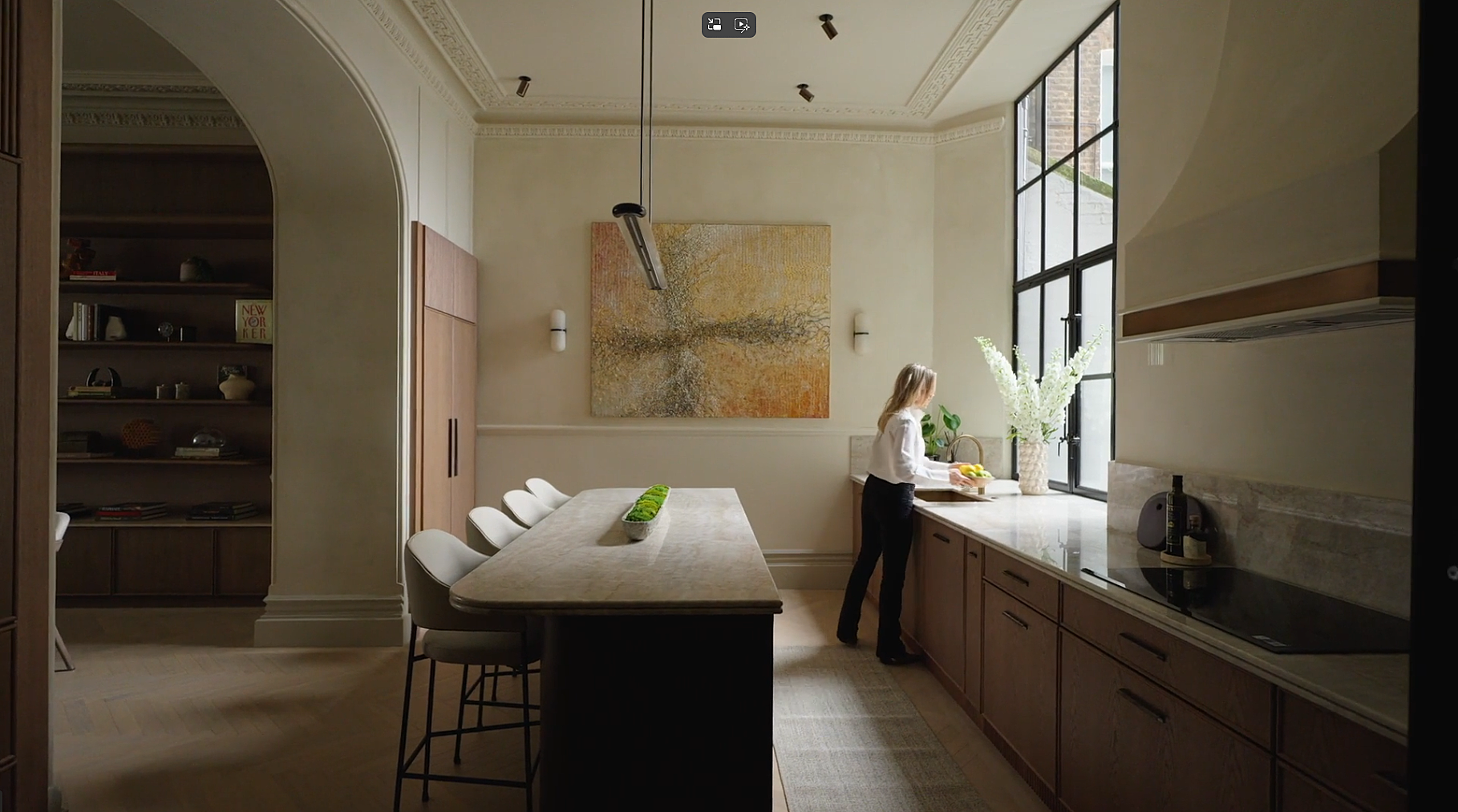
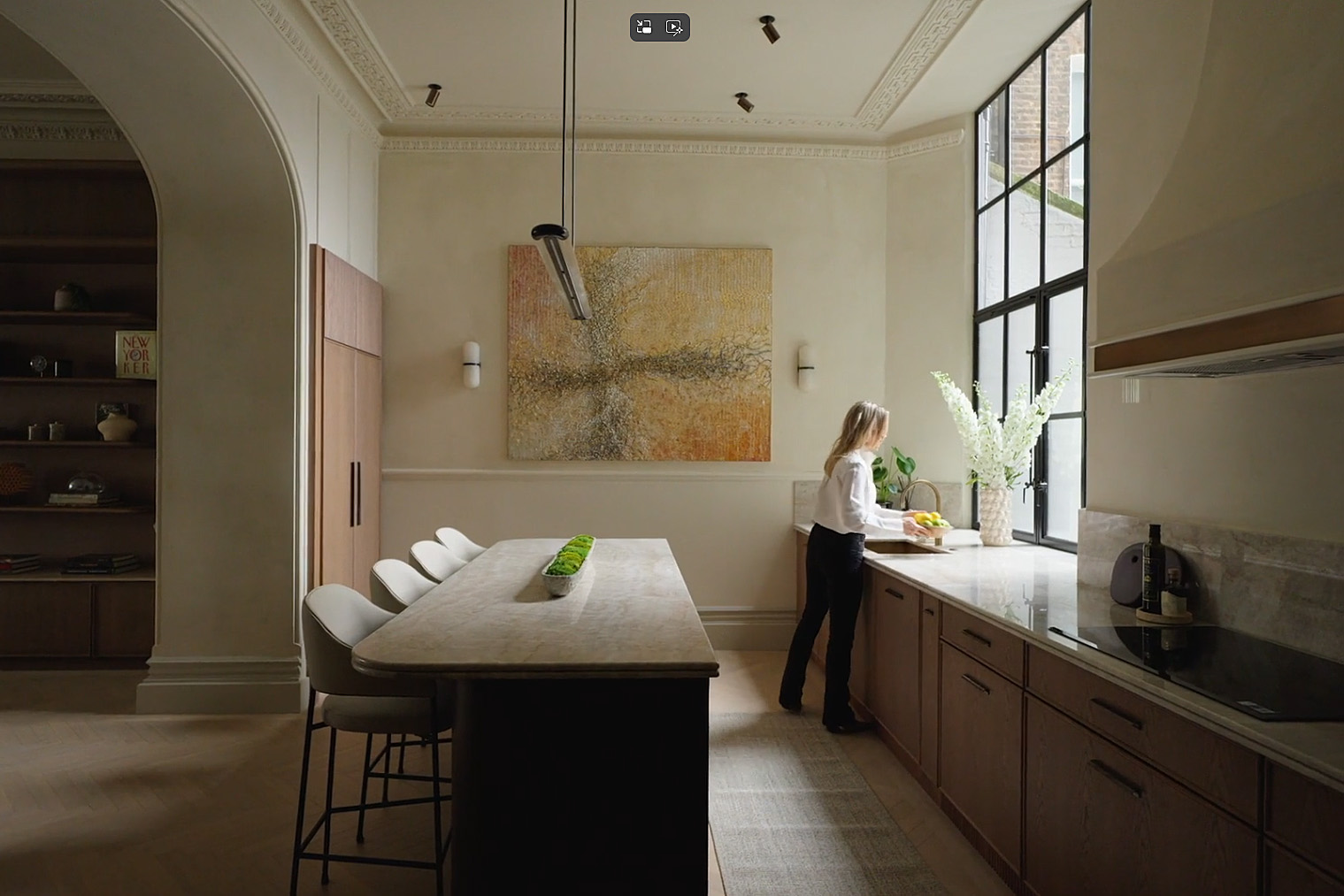
Warm, neutral tones run quietly through the interiors, supported by materials that subtly do the heavy lifting. Wooden joinery grounds the living space, green marble veins softly through a coffee table, travertine textures catch the light. Nothing here is made to standout or sparkle, but to contribute – to form an accumulation of smaller, more meaningful moments. As Disa puts it, “each piece is an essential part of the DNA”.

Honoring heritage doesn’t mean freezing a space in time. It means letting historical and contemporary elements complement rather than compete.
Disa Horn, interior designer
The effect, though, is less about how the apartment looks, and more about how it works. Nelson describes mornings simply: coffee, a walk, the sound of horses passing on their way to Hyde Park. “I like to spend the rest of the morning lounging in the living room,” he smiles. “It gets light from both sides, so it always feels wonderfully open.” It’s a routine that requires very little, which is exactly the point.
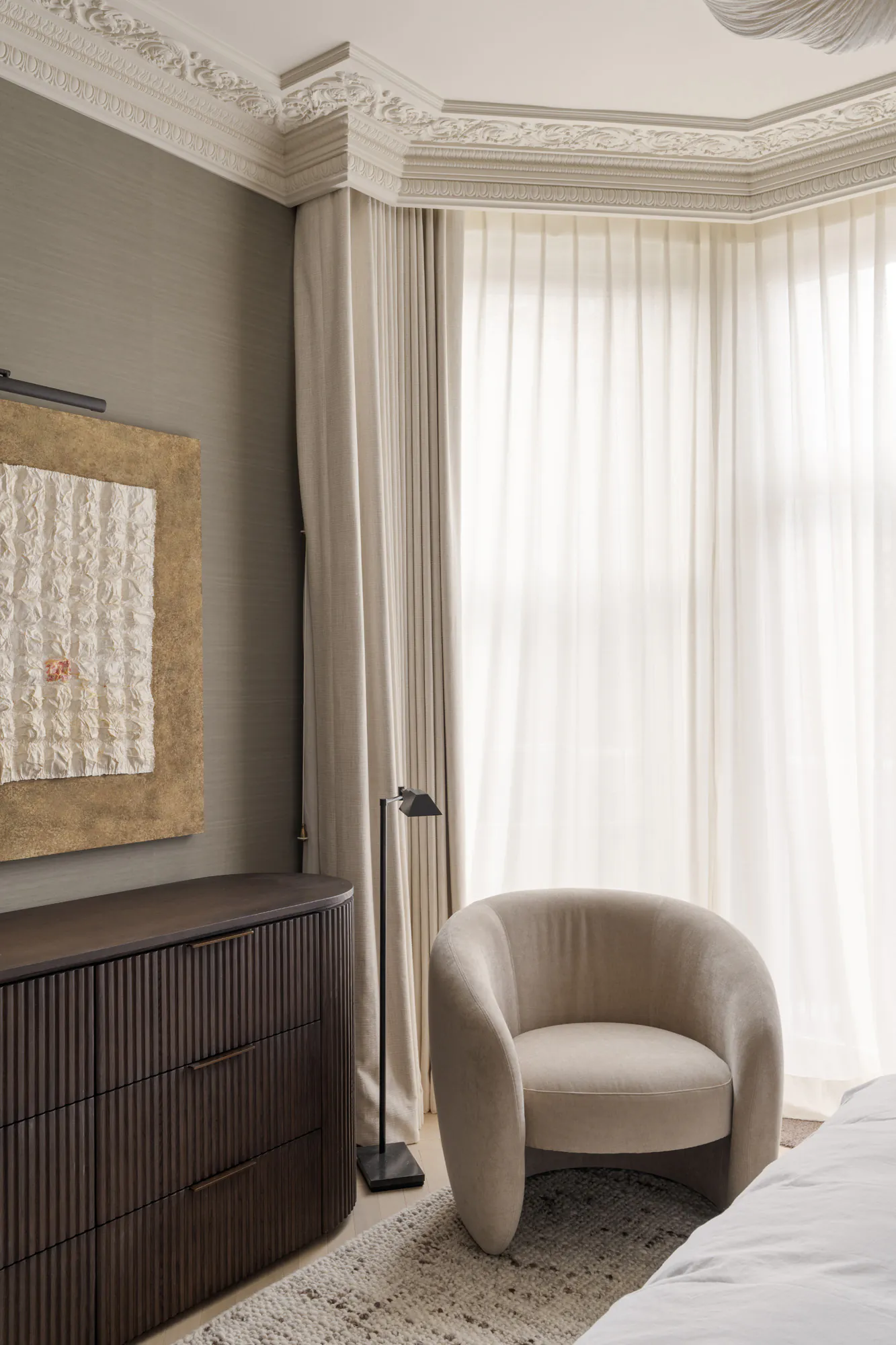
From the outset, Disa’s approach was to respond to the ‘genius loci’ – the spirit of a place – rather than override it. Period proportions remain, but they’ve been gently brought back down to earth. “Honouring heritage doesn’t mean freezing a space in time,” she says. “It means letting historical and contemporary elements complement rather than compete.” Here, that plays out through a series of small but deliberate decisions: original coving retained and emphasised; new archways introduced to echo existing rhythms; edges softened, rather than sharpened. Lighting plays its part too: layered, indirect, and carefully positioned to break the space into more intimate zones.
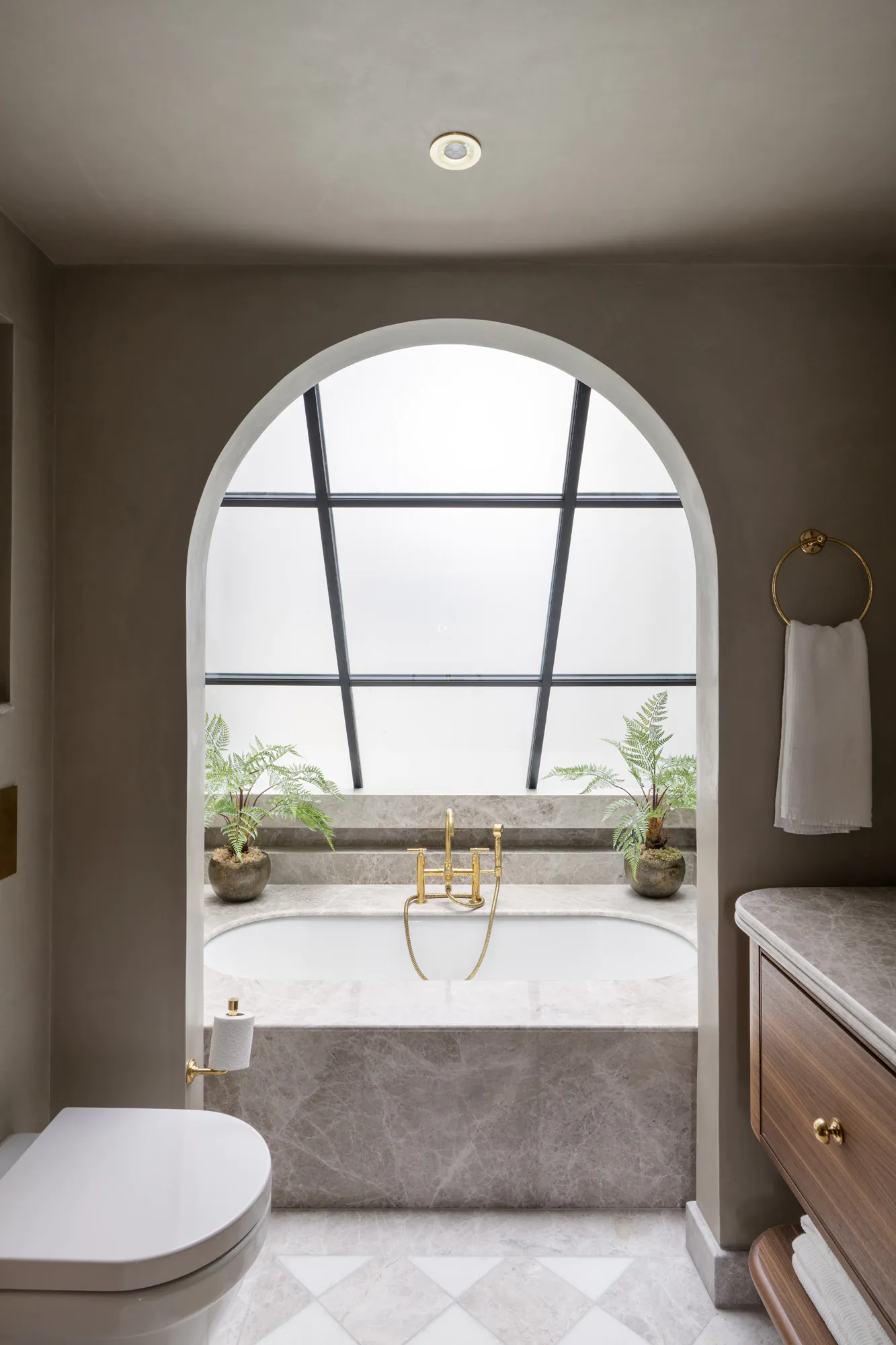
That same thinking carries through to the more private spaces. Bathrooms, often reduced to the basics, have been treated with a little more care. Arched thresholds, warmer materials and softened detailing shift the feel from purely functional to somewhere you actually want to spend time. “Bathrooms are some of the most private spaces in a home,” Hyeyon muses. “We wanted it to feel like a spa, and Disa truly exceeded our expectations. The bathtub is one of my favourite places to end the day.”
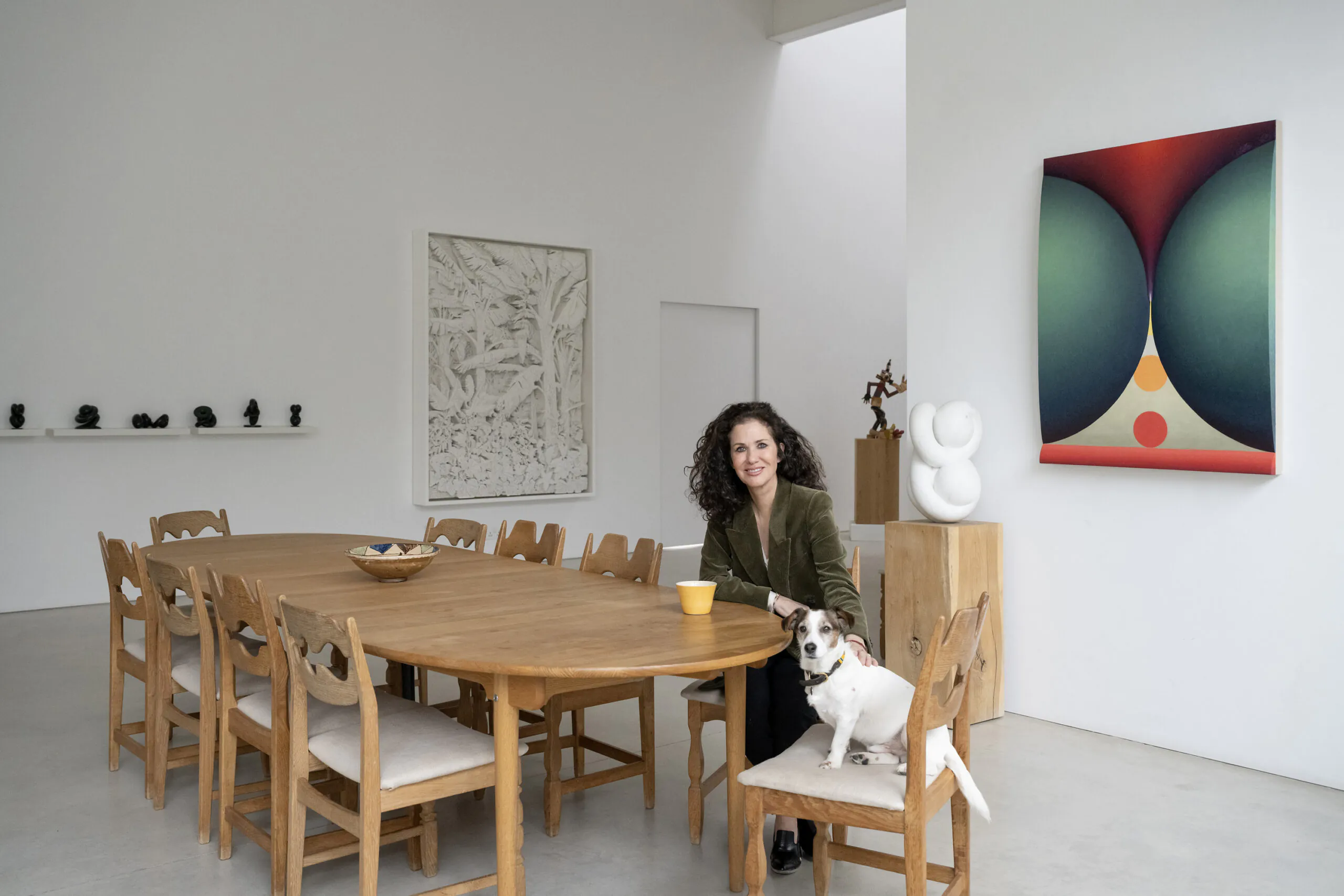
What’s perhaps most telling is what wasn’t fixed from the outset. The artwork, for instance, came later – a response to the space once it had been lived in. “For me, it was about responding to the rooms rather than shaping them around objects,” explains Hyeyon, the artist behind the home’s numerous works. “The palette and materials that Disa selected naturally set the tone, and anything placed within the space needed to respect that.”
Calm was never a rigid brief, but it was the underlying intention. We wanted the home to feel like a place of pause. Disa translated that beautifully through material choices and an overall sense of quiet continuity.
Hyeyon Allen, homeowner & artist
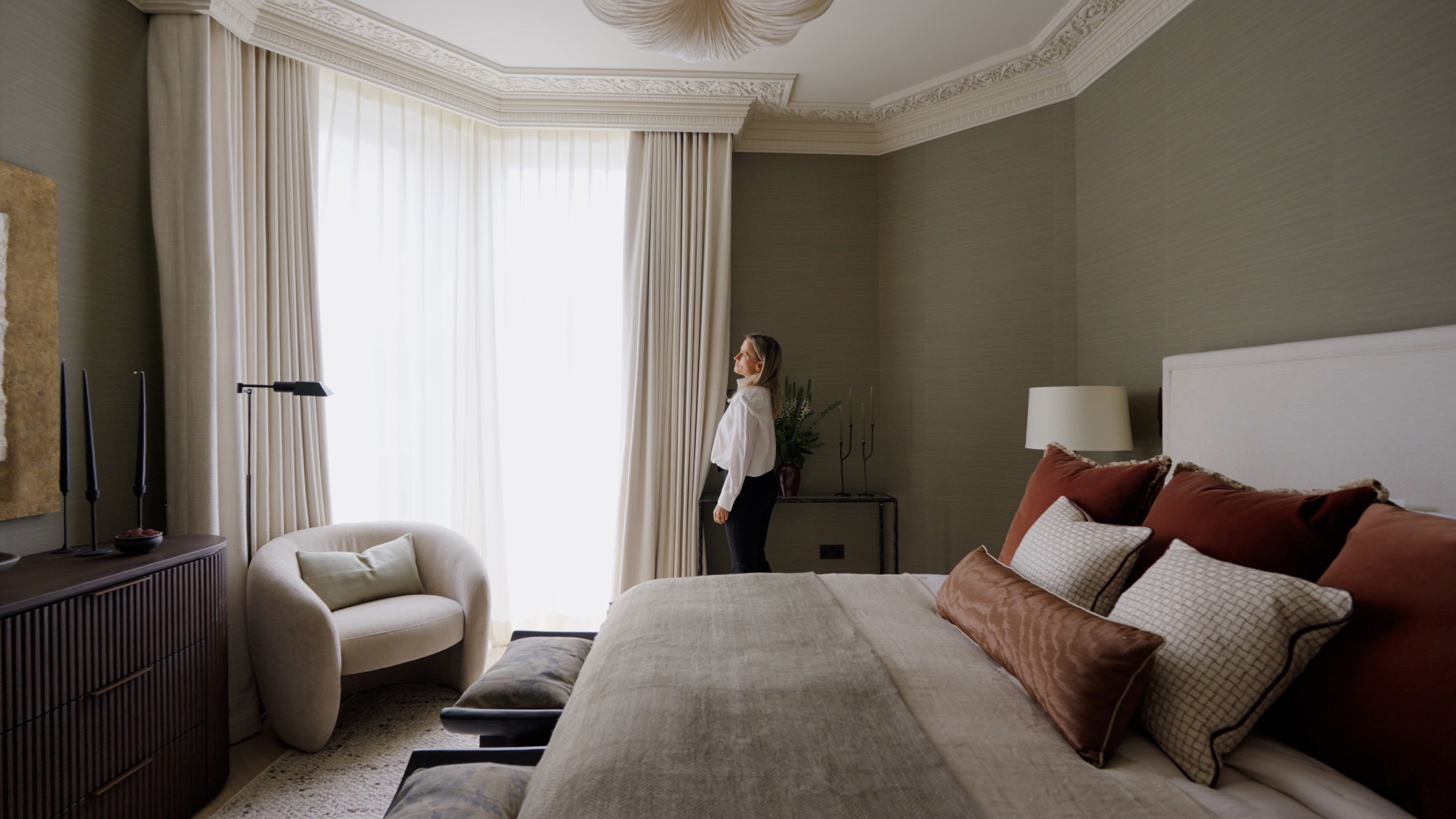
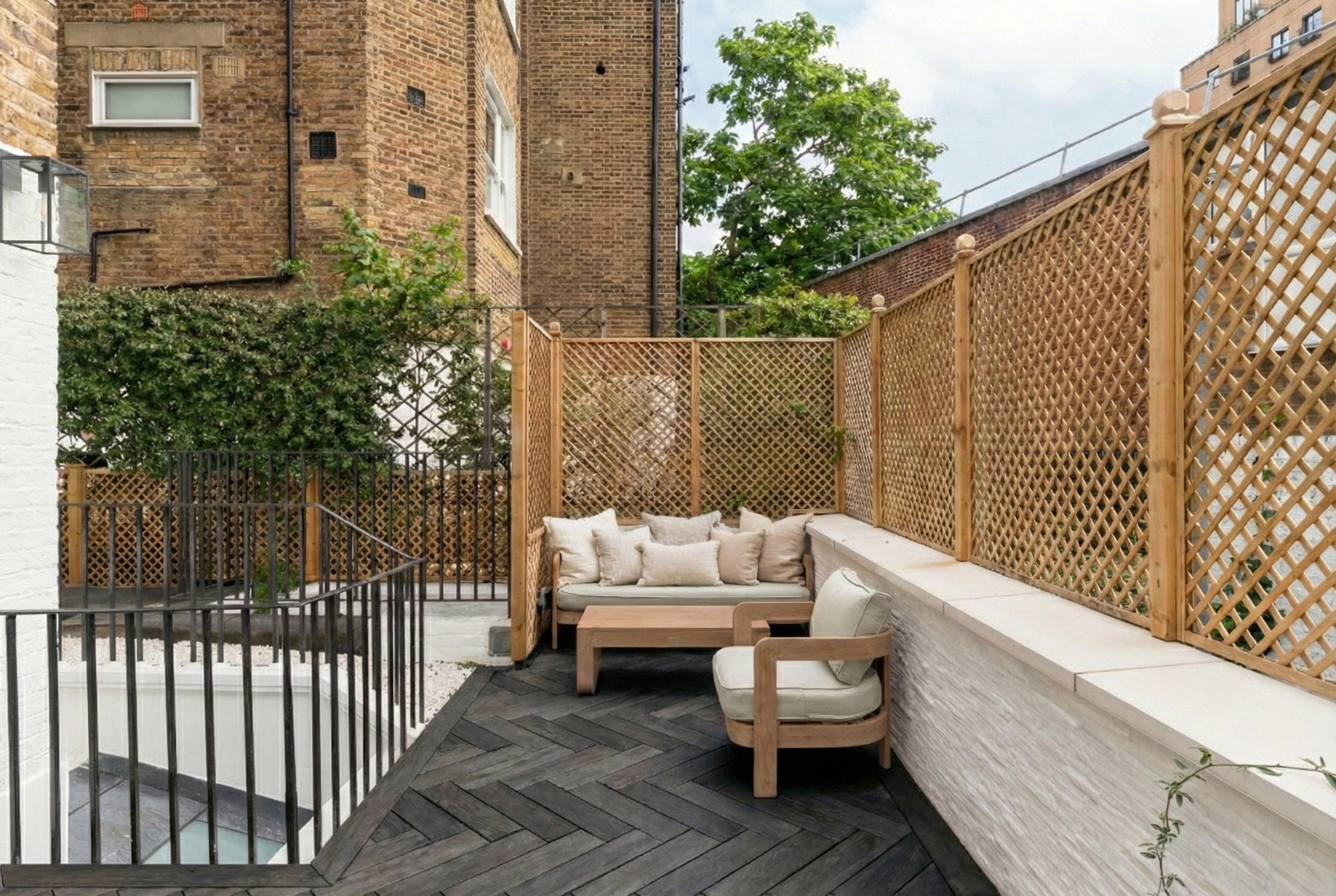
Disa echoes the same thinking: architecture, light and materiality were always intended to lead, with everything else falling into place afterwards. It’s a small shift in approach, but it changes the feel of the entire home. Nothing feels staged or overly resolved.
Evenings unfold much as you’d expect. If the weather holds, the terrace becomes the obvious place to land – a glass of wine, the last of the light, the city continuing somewhere beyond view. Inside, the apartment holds onto its calm without needing to enforce it.
There’s a line Hyeyon mentions that neatly sums it up: “a home should gently recede into the background of daily life, rather than constantly demand engagement.” A subtle idea, but a persuasive one. In a design landscape that often leans towards extremes, Cornwall Gardens makes a quieter case – for balance, restraint and spaces that support the everyday, rather than compete with it.