Escaping the noise: Turning down the volume at Cornwall Gardens
Architecture Interior Design
With a long-standing career in art curation, it’s perhaps inevitable that Mollie Dent-Brocklehurst would be drawn to a home that has more in common with a contemporary gallery than a conventional residence.
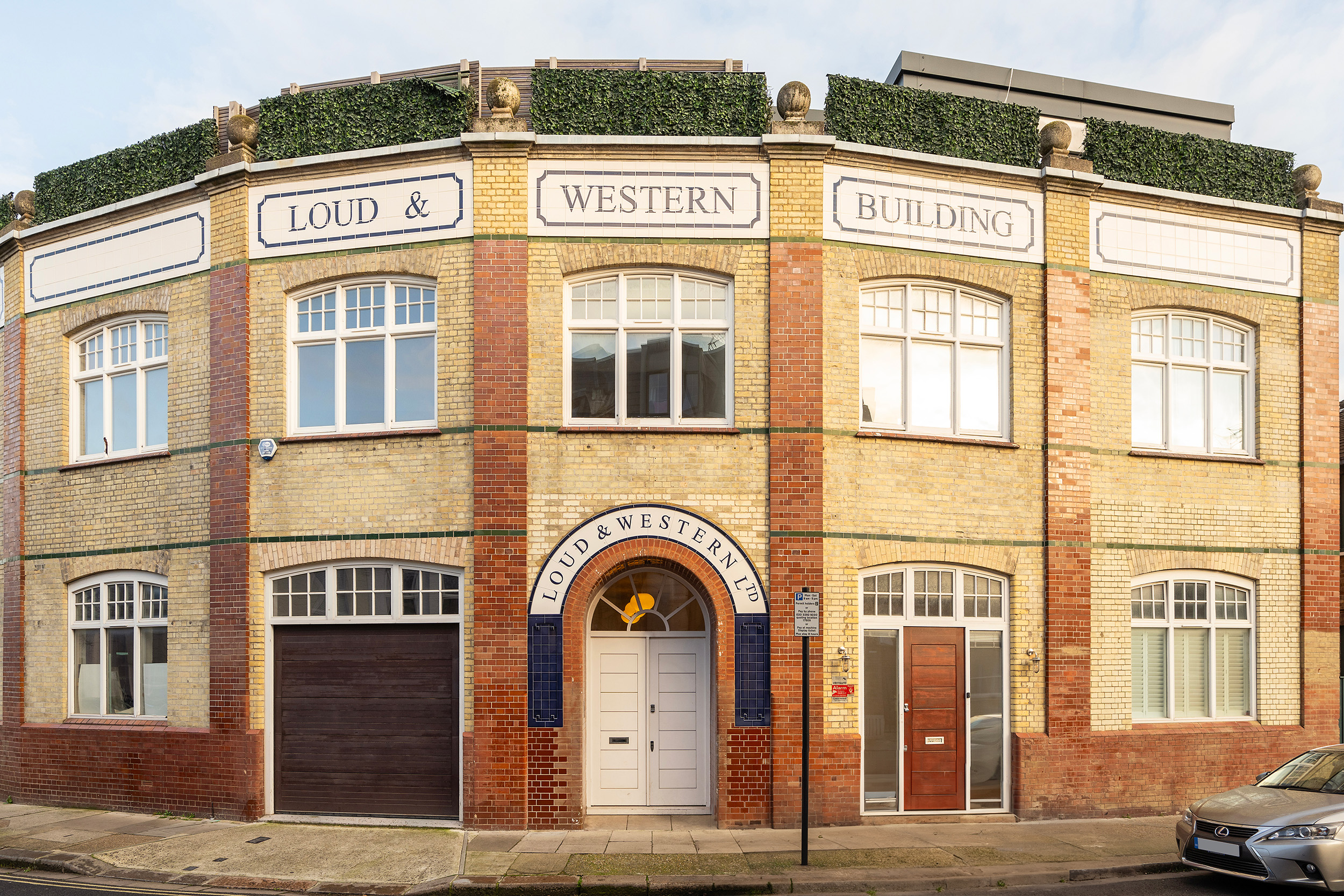
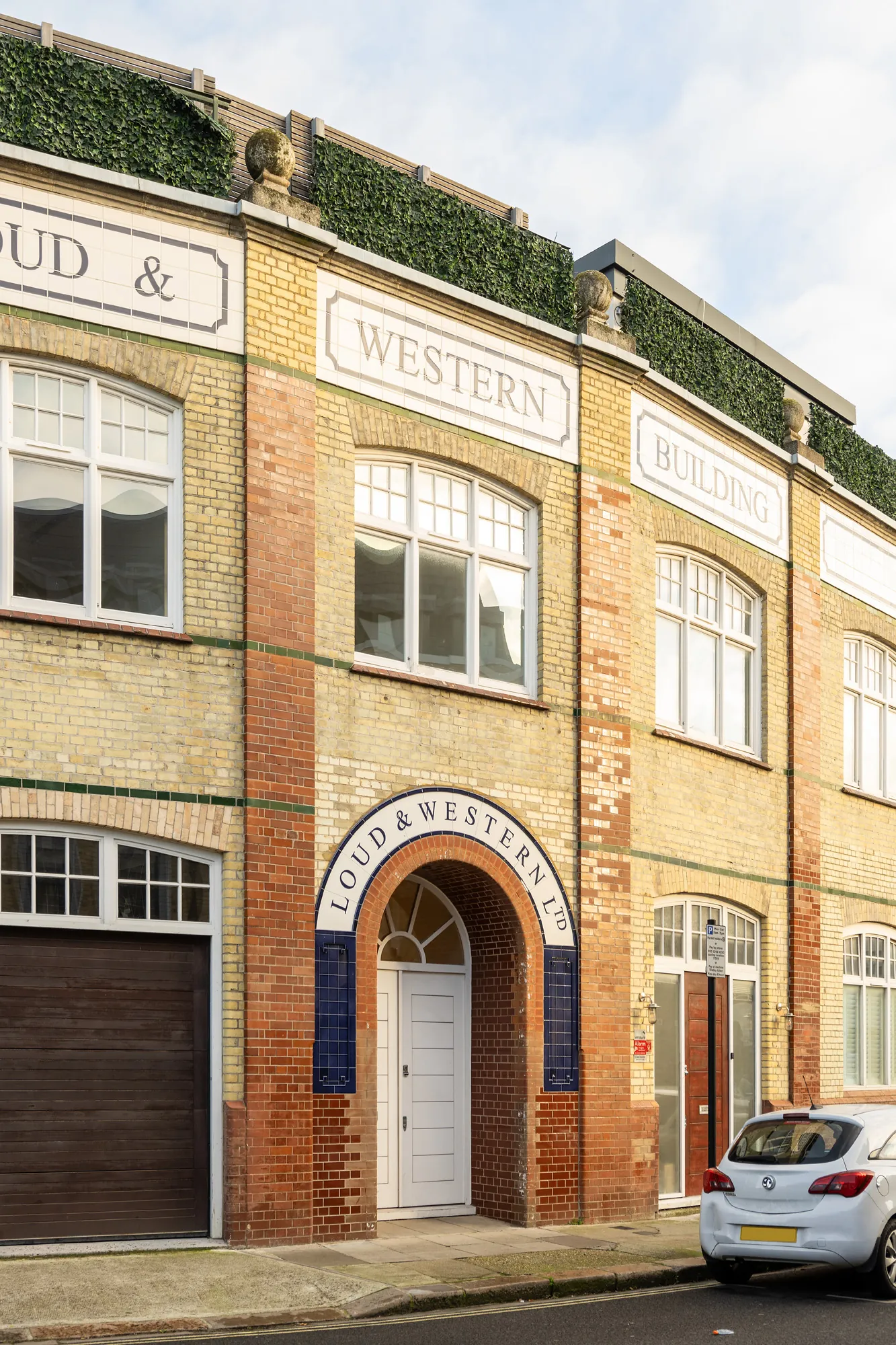
And conventional Mollie’s home is not. Formerly housing Fulham’s Loud & Western laundry, Broughton Road was once all steam, starch and industrial pace. Now transformed into a striking five-bedroom home available for short stays, there’s a disarming sense of warmth from the first step inside.

We were completely drawn to the openness of it – the height, the volume, the way everything flowed. Having spent so much time in galleries, I think I’m instinctively comfortable in spaces like that. It felt like something we could shape rather than decorate.
Mollie Dent-Brocklehurst
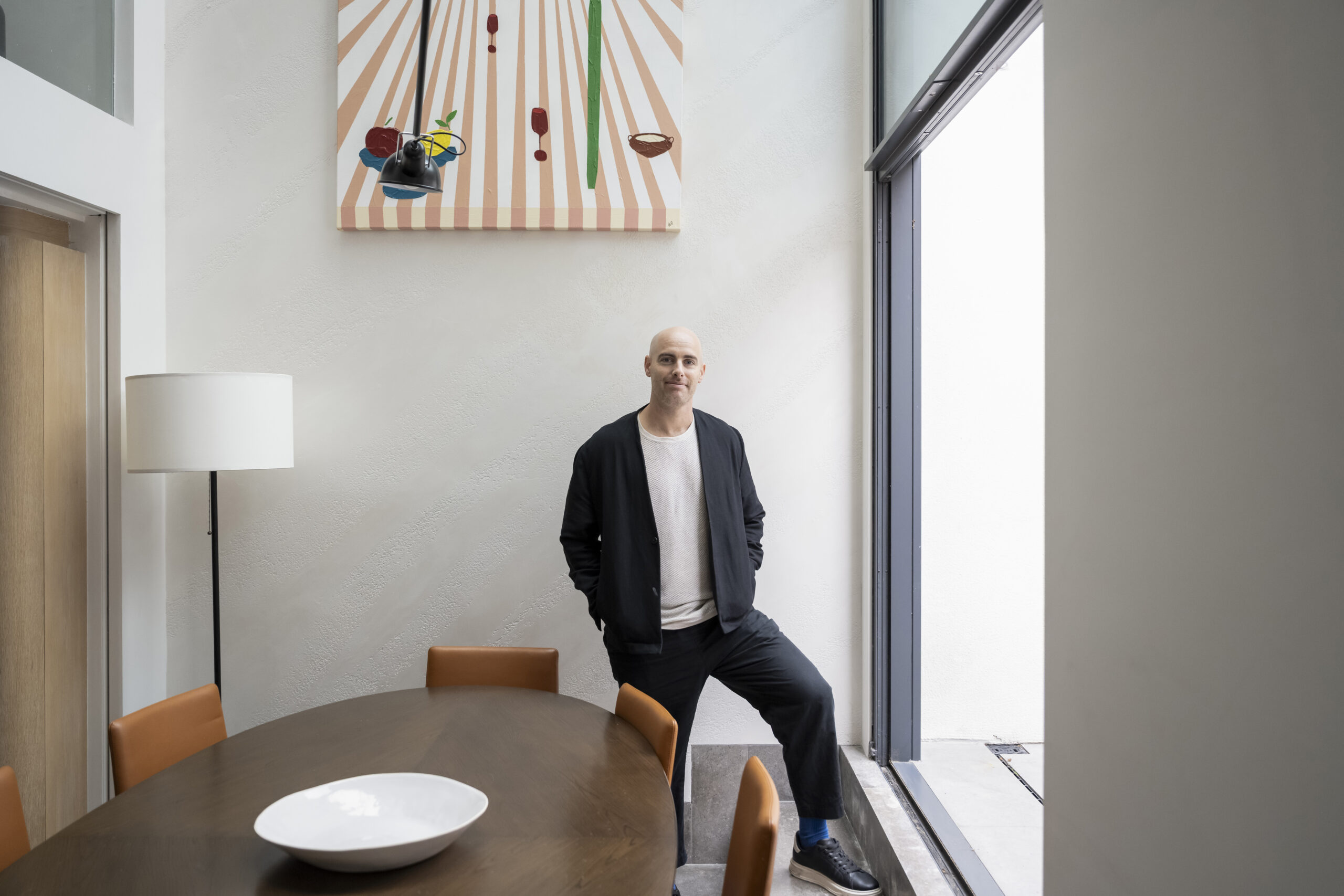
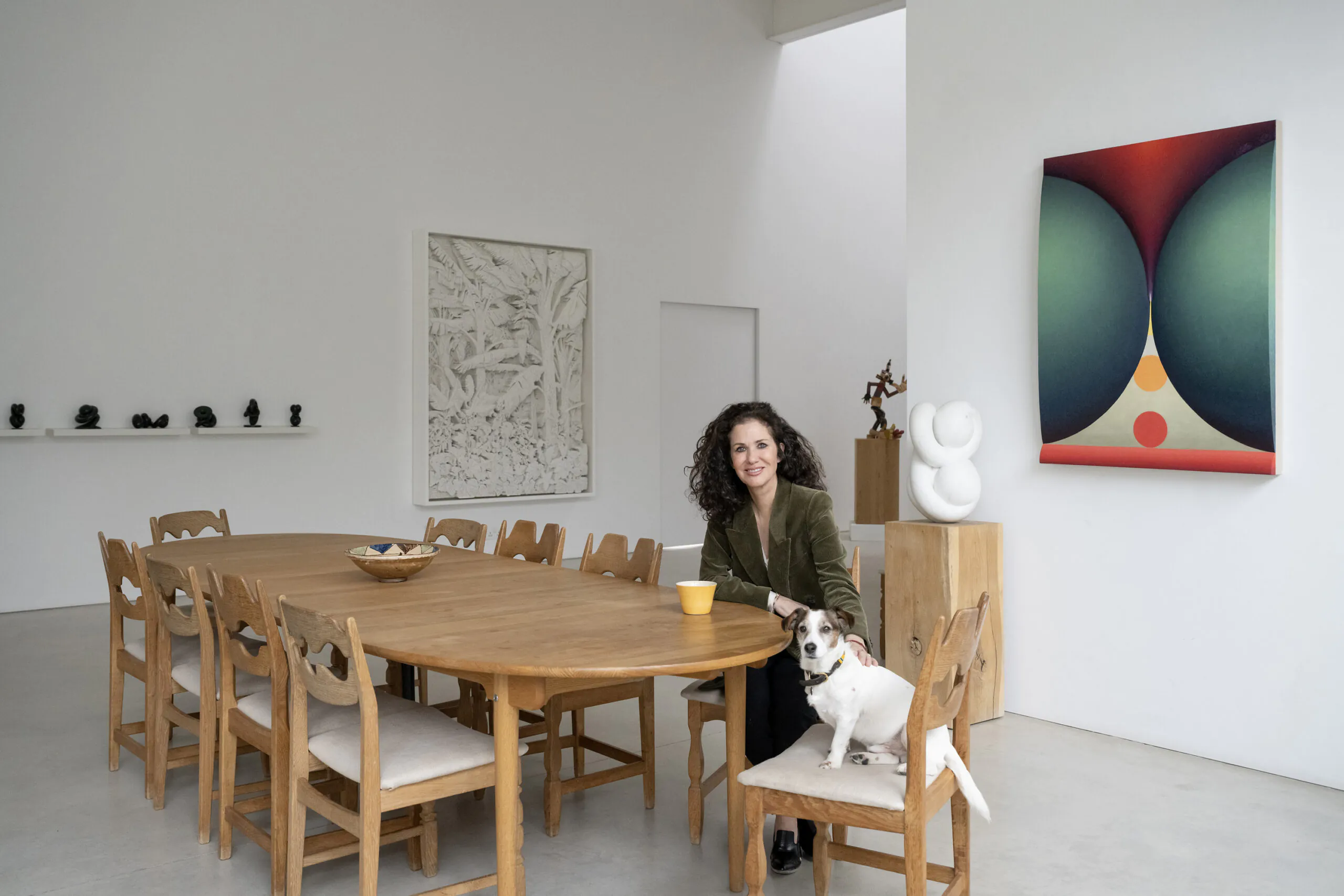
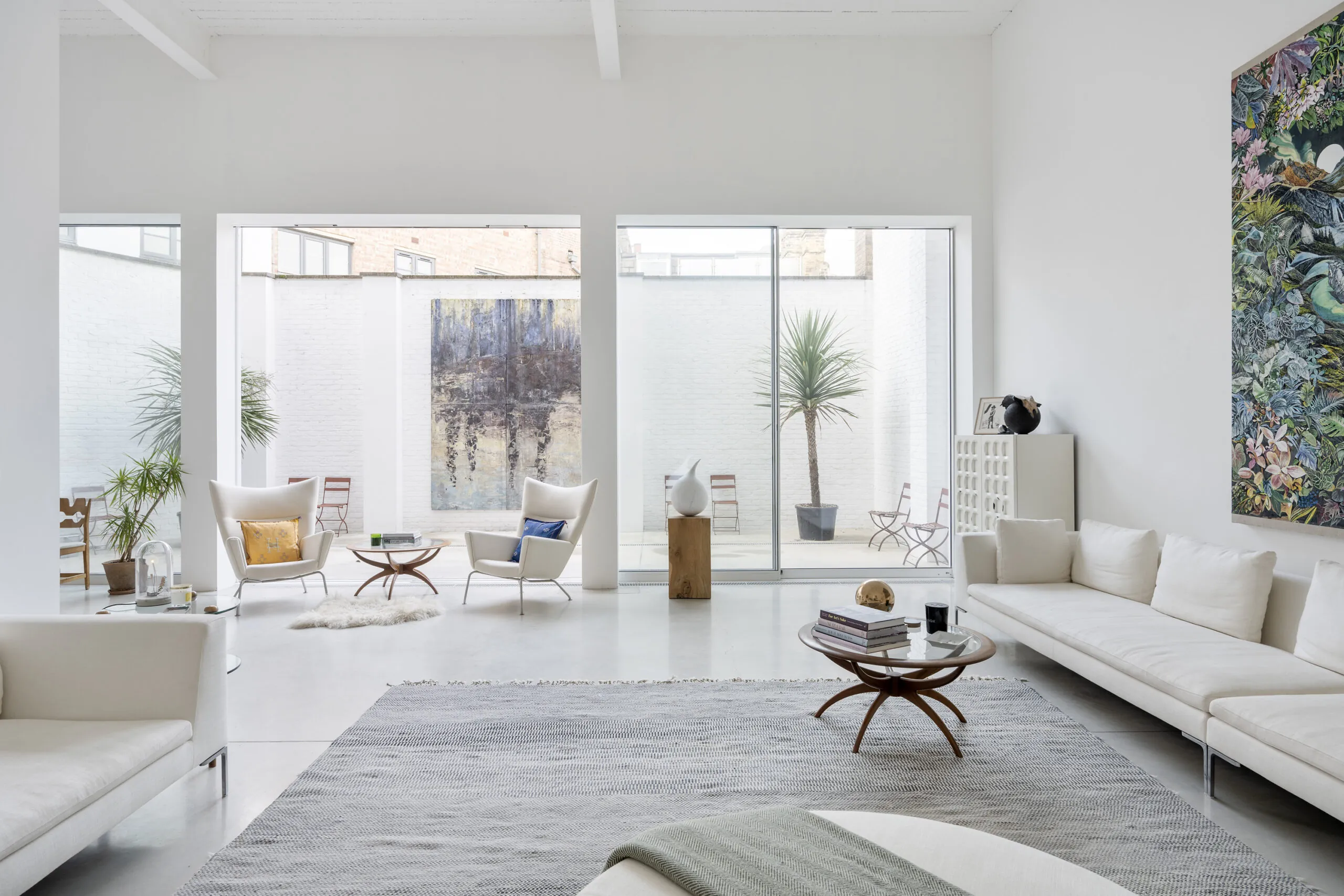
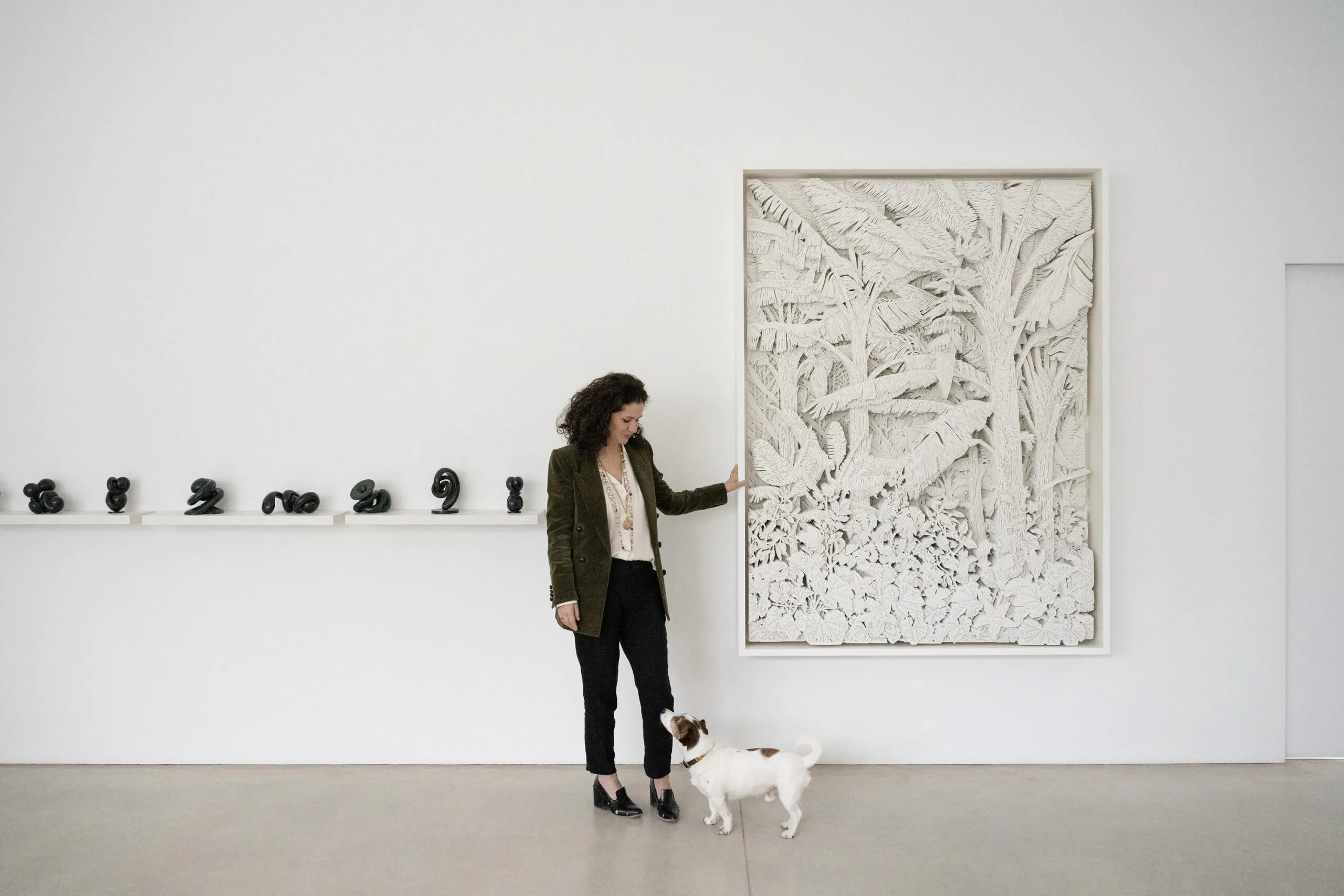
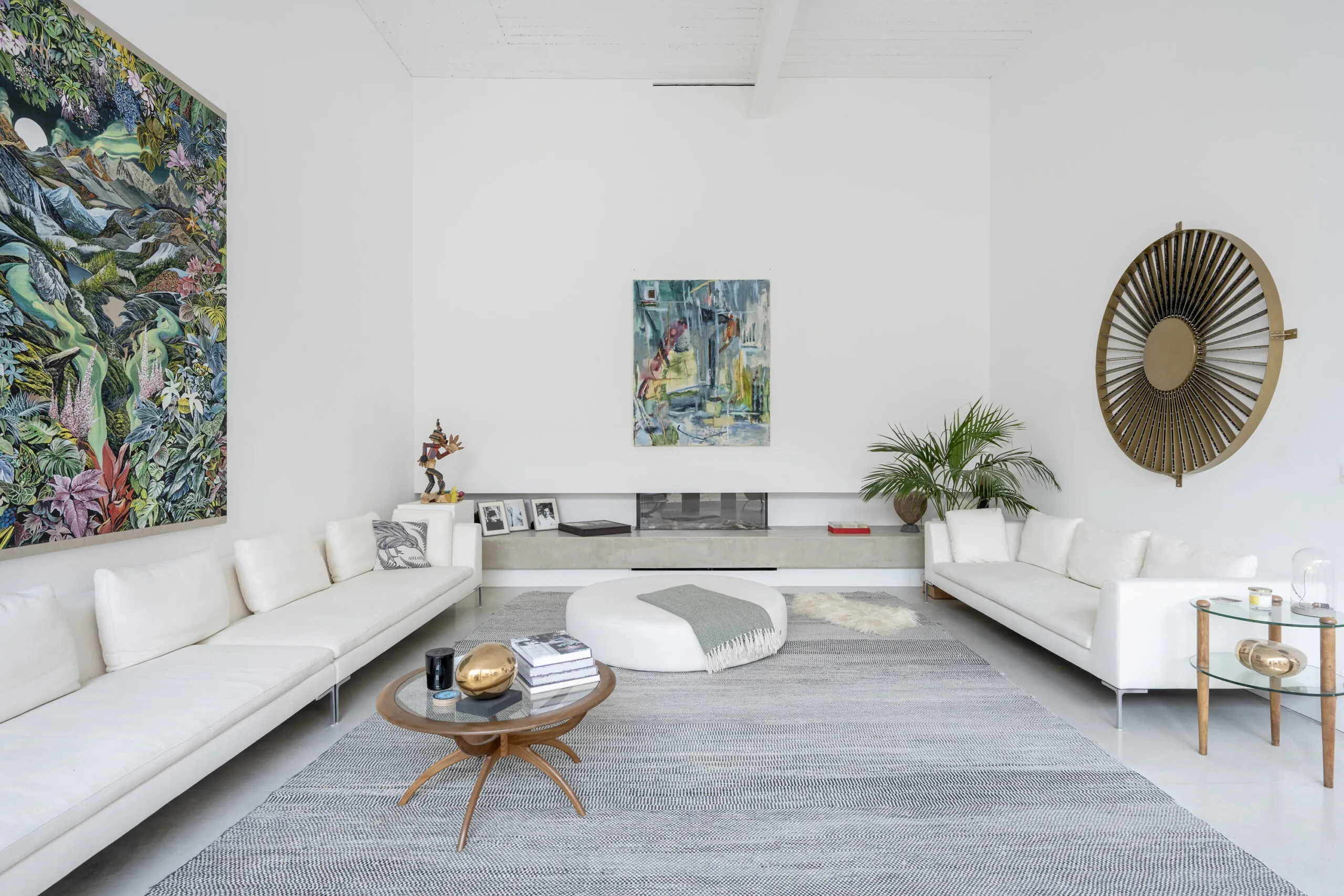
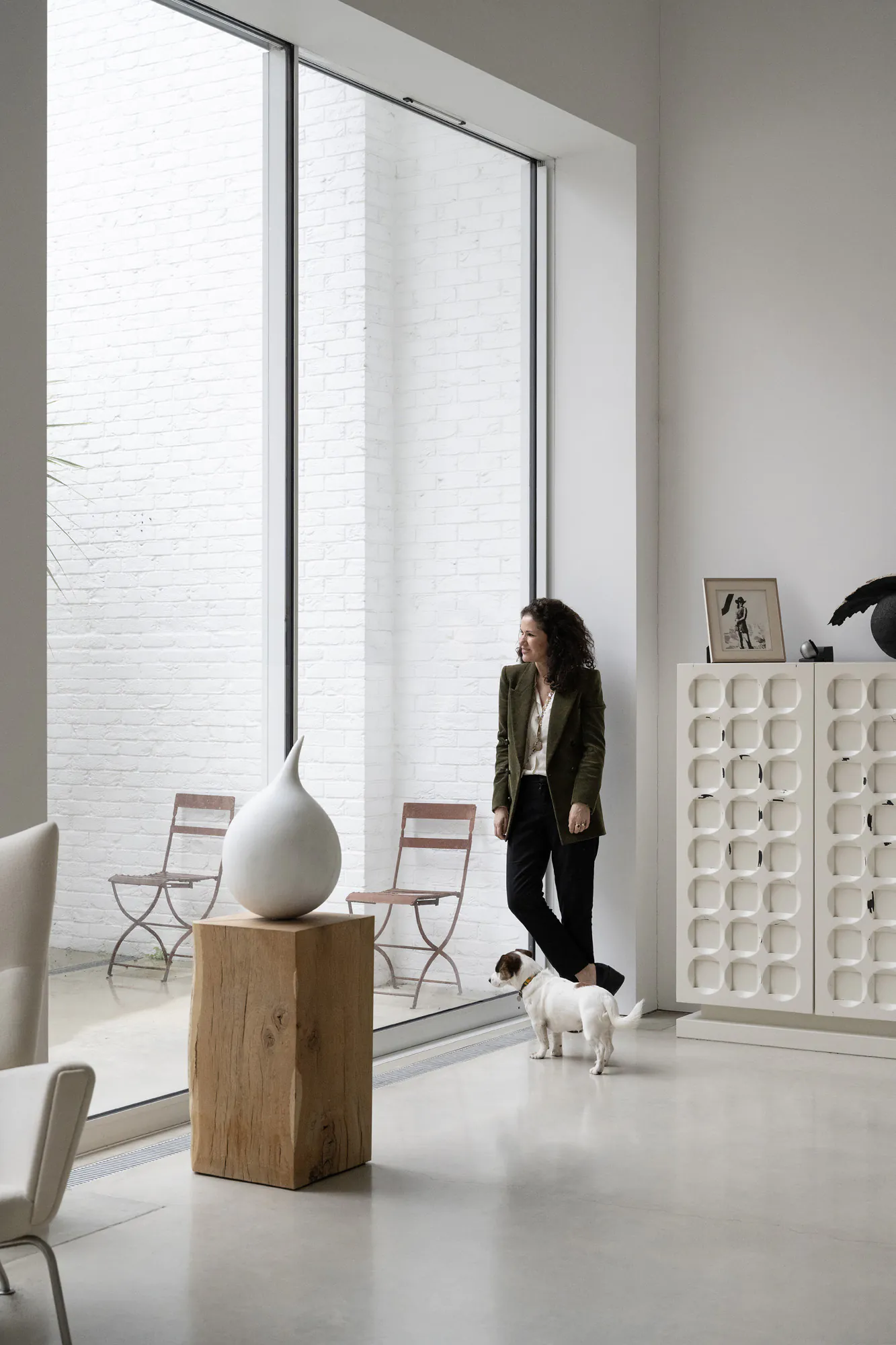
Photographs gesture towards the scale of Broughton Road, but nothing quite captures the moment of arrival. Beyond the entrance, the building expands dramatically into a double-height reception room – concrete floors, whitewashed walls, light bounding through vast glazing that stretches up to the ceiling. When we visit, Mollie appears with two dogs, Milo and Bugsy, in tow, entirely unfazed by the monumental proportions. Proof, if needed, that this is no unapproachable white cube.
It wasn’t always so resolved. When Mollie first encountered the building, Broughton Road stood as little more than an industrial shell. “There wasn’t much to see at all,” she recalls. “But we were completely drawn to the openness of it – the height, the volume, the way everything flowed. Having spent so much time in galleries, I think I’m instinctively comfortable in spaces like that. It felt like something we could shape rather than decorate.”
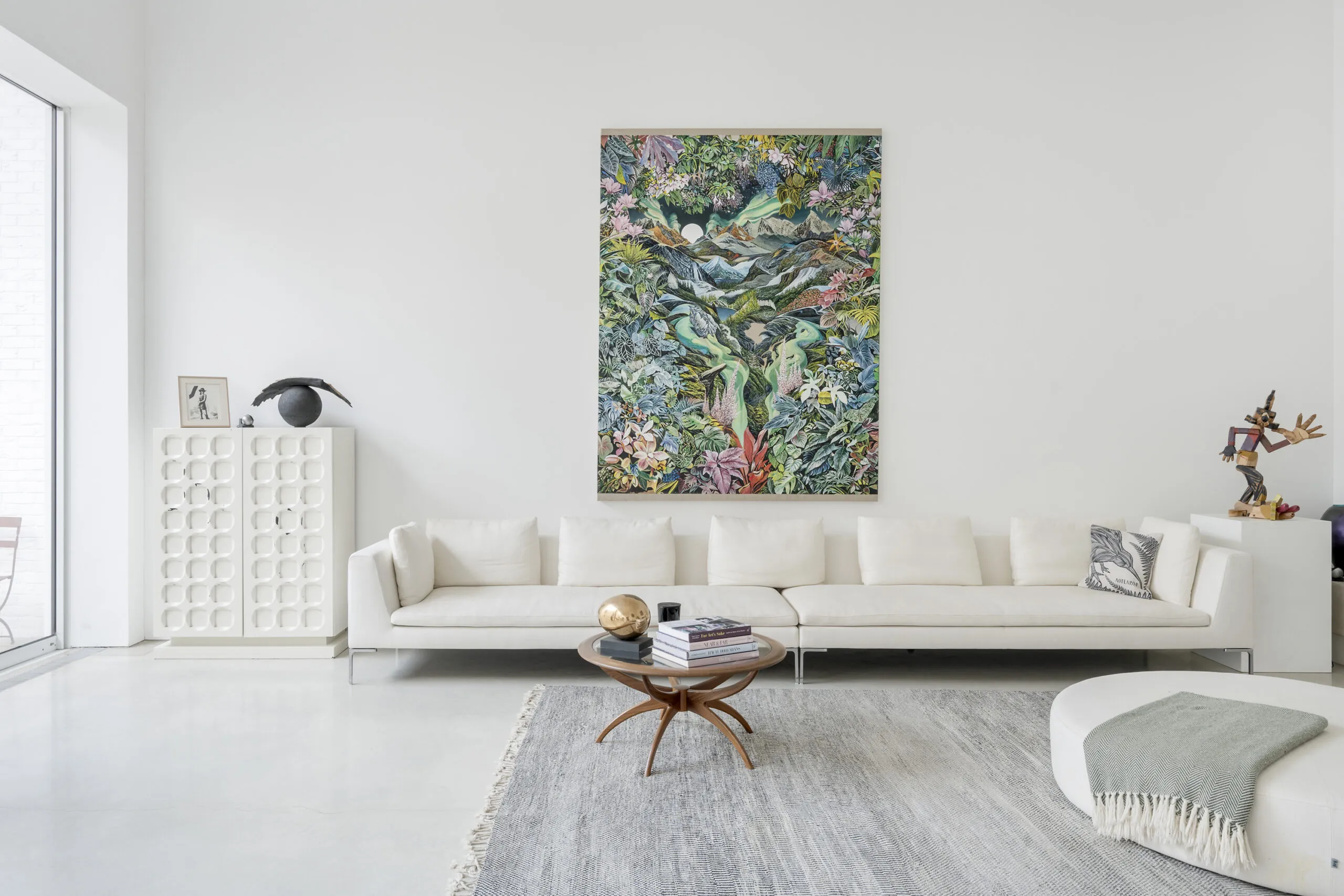
To realise that vision, Jamie Fobert Architects were brought on board to rework the architecture from the inside out, allowing structure, flow and flexibility to guide the transformation. Rather than layering ornament onto the bones of the building, the design leans distinctly gallery-like, though never in a way that feels formal or precious. Walls remain expansive; finishes are restrained. Artworks – “naturally a priority,” Mollie smiles – are given the space they deserve.
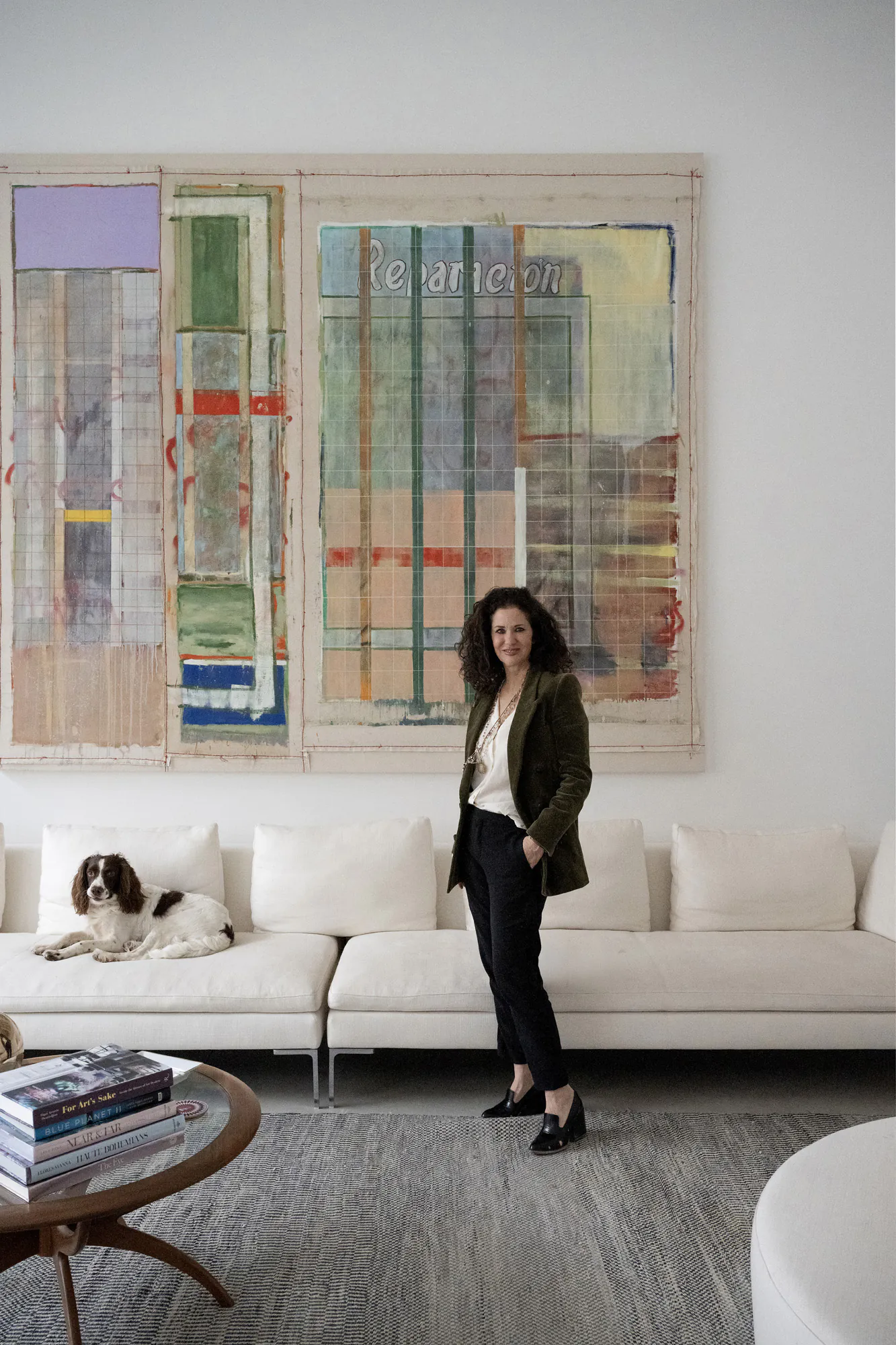
Without a dominant decorative scheme, the house behaves instead like a framework – structured but adaptable. “The art is really key to how each space is experienced,” muses Mollie. “Occasionally we’ll switch something out for another piece, and it’s fascinating to see the impact it can have – on the ambiance, the light, the way you interact with the space.”
Her curatorial eye is evident in the way pieces are grouped or placed. In the dining area, sculptural and textural pieces spark conversation; in the lounge, Leo Villareal’s Radiant Wheel casts shifting constellations of light across the wall. It’s a hypnotic presence that feels almost elemental, like a contemporary hearth that anchors evenings effortlessly, whether that’s a lively dinner party or a low-key night on the sofa.
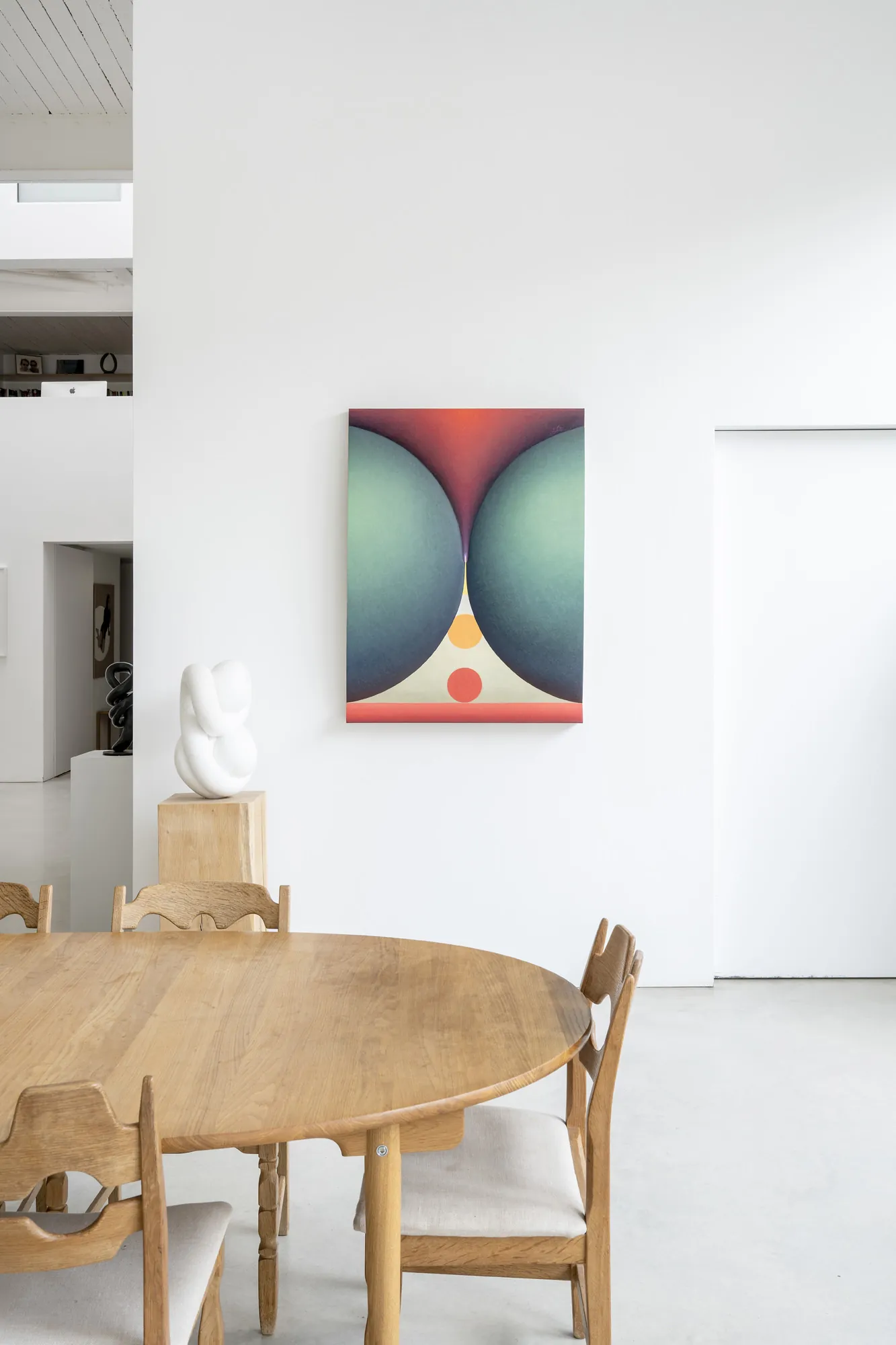
The art is really key to how each space is experienced. Occasionally we’ll switch something out for another piece, and it’s fascinating to see the impact it can have – on the ambiance, the light, the way you interact with the space.
Mollie Dent-Brocklehurst
The house has a way of continually revealing itself: just when you think you’ve taken it all in, it extends again. Another level. A fresh vantage point. It’s a home that truly rewards curiosity – always offering another room to explore or place to sit.
“Jamie, our architect, was fantastic at personalising the space for us,” Mollie says. “It started as an empty expanse, but now there are these little pockets I love.” One such pocket is the mezzanine office perched above the main reception area. Suspended yet connected, it offers a quiet perspective over the home below. “I love being up there,” she says. “You feel tucked away enough to focus, but you’re still part of what’s happening. It doesn’t feel separate from the house – just slightly elevated.”
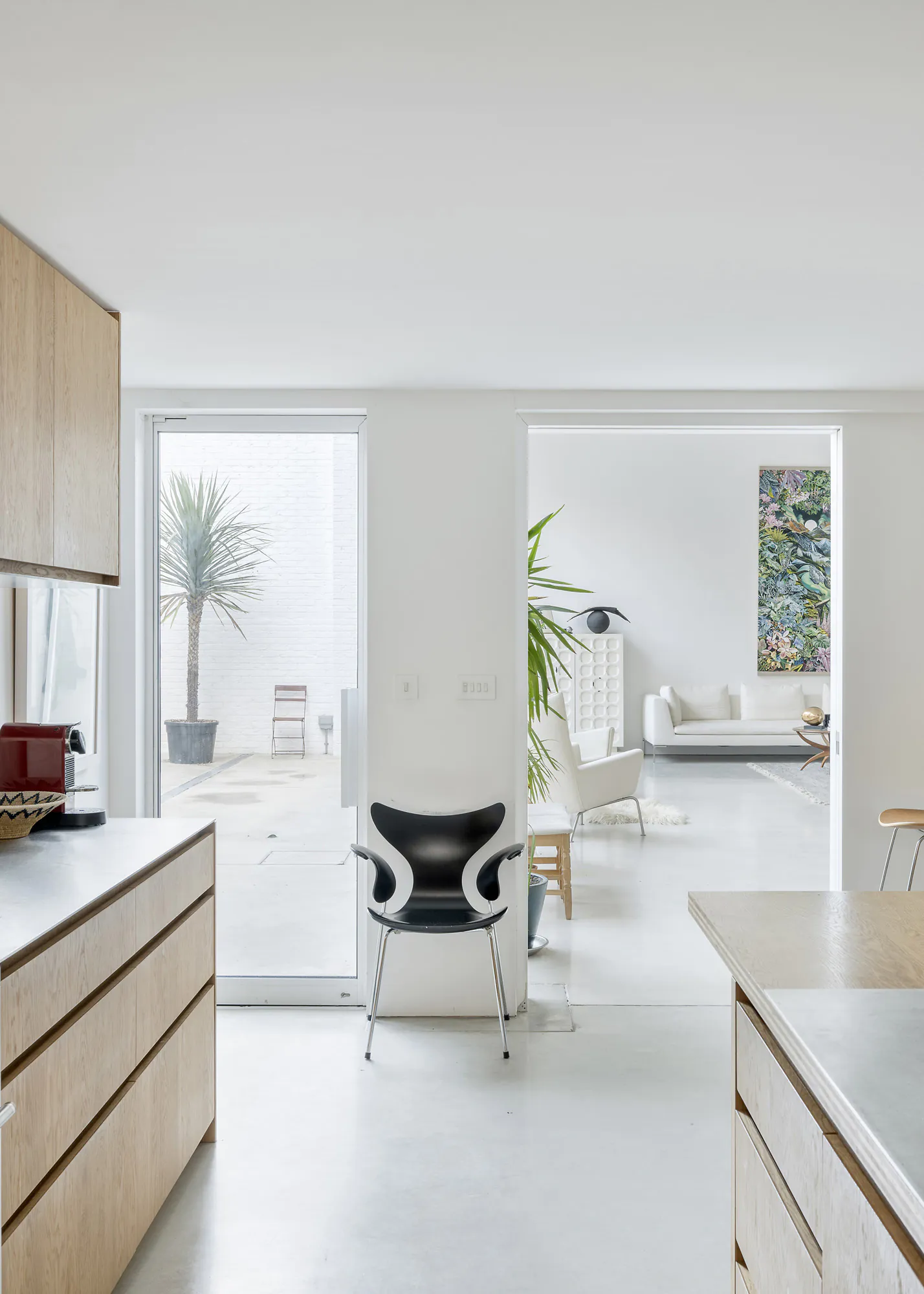
Elsewhere, a minimalist kitchen sits apart from the social spaces: stainless steel worktops, a generous wooden island, ample room for multiple cooks to move without collision. It’s as practical as it is pared back. Onlookers gather at the breakfast table; chefs take centre stage.
Upstairs, four bedrooms are spread across three floors, each continuing the home’s restful palette. The principal suite feels particularly retreat-like – vaulted ceiling overhead, tactile textures underfoot, a freestanding bath positioned for indulgent unwinding. For guests staying at Broughton Road, there’s space to disperse as easily as there is to come together.
Another favourite spot sits at the top of the house, a more secluded reception room that leads out to a decked, south-facing terrace. A suntrap in summer, it’s the kind of space that quietly steals an afternoon.
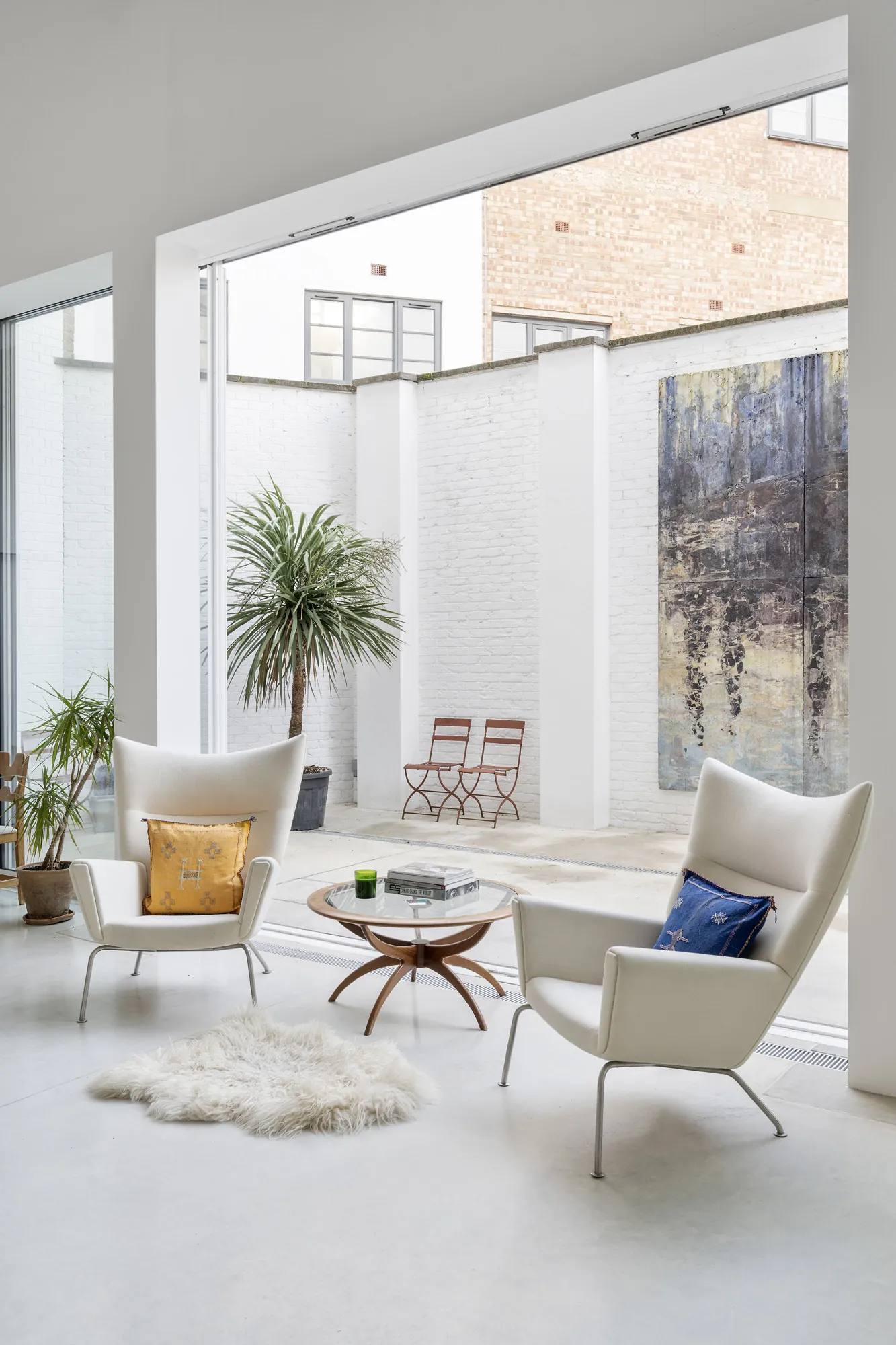
For all its openness though, Broughton Road never feels sterile. If anything, its minimalism amplifies a sense of calm, unexpectedly rare in London. That calm settles most convincingly beside the full-height glass walls in the main living space that frame the patio; two chairs sit there, angled just so. “My husband and I often find ourselves there with a glass of wine,” Mollie says. “You can see the garden, the bones of the building, the artwork. You can really take it all in and appreciate the setting. It’s the best seat in the house.”